

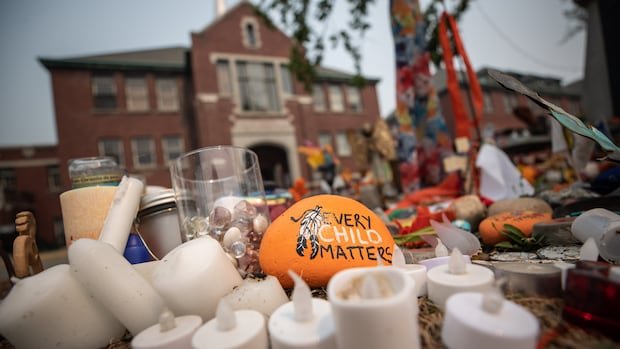

An upcoming session in Montreal by an international tribunal will investigate the issue of missing children and unmarked graves linked to Canada’s residential school system. The Permanent Peoples’ Tribunal, in a recent announcement, highlighted its examination into Canada’s accountability for the residential schools system and the related human rights violations, which encompass forced sterilizations, disappearances, unmarked burials of Indigenous children, and the intergenerational trauma resulting from the loss of language, culture, and identity.
Na’kuset, the executive director of the Native Women’s Shelter of Montreal and a Cree individual from Lac la Ronge in Saskatchewan, initiated the effort to bring the tribunal to Montreal back in 2023. This initiative stemmed from her call for action following the revelation in 2021 by Tk̓emlúps te Secwépemc about the discovery of approximately 200 suspected unmarked graves at the former Kamloops residential school site.
Scheduled to coincide with the fifth anniversary of the Kamloops findings, the Montreal sessions from May 25-29 will serve as a platform for the tribunal’s 57th session. The Permanent People’s Tribunal, an independent opinion tribunal established in 1979, is dedicated to raising global awareness and documenting evidence of human rights abuses. The Native Women’s Shelter of Montreal, in collaboration with various organizations, will host the session, aiming to shed light on the harms of residential schools and foster public education.
Despite the tribunal’s invitation, the Government of Canada declined to participate in the proceedings, as confirmed by Jennifer Cooper, a spokesperson for the Department of Crown-Indigenous Relations and Northern Affairs. The tribunal’s lead prosecutor, Christa Big Canoe, emphasized the sufficiency of evidence, including documents, Canadian laws, policies, and witness testimonies, to support the allegations against Canada regarding the residential school system.
The panel of judges, comprised of experts in Indigenous law and international justice, will review the evidence presented, which includes over 2,700 pages of documentation compiled over a year by collaborating with international legal experts and institutions. The tribunal, although lacking legal binding, holds moral authority as a court of opinion, according to Seánna Howard, an international human rights lawyer and judge for the upcoming Montreal session. Howard expressed hope for Canada’s acknowledgment and response to the tribunal’s findings, considering the potential international impact of the residential school issue.
The tribunal’s focus on bringing justice and awareness to the enduring impacts of residential schools underscores the significance of accountability and reconciliation in addressing historical injustices.