

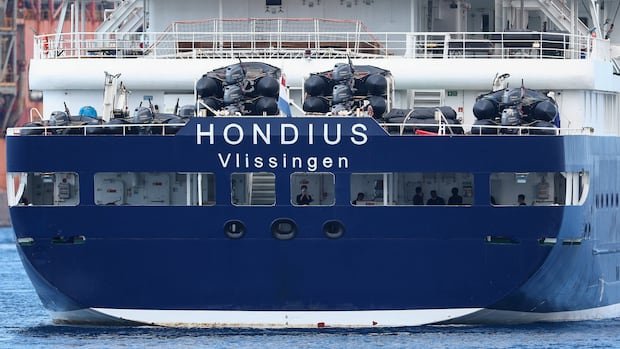

Passengers affected by a severe hantavirus outbreak on a cruise ship are being repatriated to over 20 countries and placed under quarantine. The repatriation process, which involved individuals from various nationalities such as a Spaniard, a French woman, and an American who tested positive for the virus, began with their transfer from the MV Hondius to military and government planes in the Canary Islands.
Oceanwide Expeditions confirmed the successful transfer of all guests and a limited number of crew members from the vessel to waiting aircraft. Of the total 122 individuals being repatriated, three passengers have tragically lost their lives, while seven cases of the Andes strain of hantavirus have been confirmed by the World Health Organization (WHO), with two additional suspected cases.
Despite the concerning outbreak, health authorities have reassured the public that the risk of widespread transmission is low. While there is no specific cure or vaccine for hantavirus, early detection and treatment have been emphasized by the WHO to improve survival rates.
The captain of the ship, Jan Dobrogowski, expressed gratitude towards the passengers and crew for their resilience and unity during these challenging times. Meanwhile, new cases of hantavirus have been reported in several passengers, including a Spaniard, a French woman, and an American, who are currently undergoing medical care in their respective countries.
In South Africa, a British man being treated for hantavirus is showing signs of improvement, as reported by local health authorities. The cruise ship, which departed from Argentina and experienced its first fatality in early April, has been at the center of global attention due to the unprecedented hantavirus outbreak onboard.
Furthermore, Canadian passengers from the ship have landed in British Columbia, where they will undergo quarantine and receive necessary monitoring. WHO officials have emphasized that the general public should not panic about the outbreak, highlighting that hantavirus is primarily transmitted through rodent droppings and does not easily spread between humans. The WHO recommends active monitoring and follow-up for all repatriated passengers to ensure their well-being.