


The federal government has initiated a financial audit into the operations and financial transactions of a significant Indigenous languages office following anonymous complaints. The Office of the Commissioner of Indigenous Languages, established five years ago based on recommendations from the Truth and Reconciliation Commission, is under scrutiny by Canadian Heritage. The department has engaged an independent third-party firm to conduct a special examination in accordance with the Indigenous Languages Act.
The review will assess the office’s adherence to legislative standards in terms of its financial records, systems, and practices. While no specific timeline was provided for the completion of the audit, multiple sources, including former employees, have raised concerns about the office’s performance over the past five years. They claim that rather than focusing on enhancing Indigenous languages and supporting research efforts, the office has primarily concentrated on extensive travel and organizing a large conference.
Notably, the office allocated $10 million for a four-day conference held in Ottawa last year, drawing criticism from attendees like Patricia Ningewance, an Indigenous studies associate professor at the University of Manitoba. She expressed disappointment in the lack of tangible outcomes from the conference, suggesting that the funds could have been more effectively utilized to promote language fluency among students.
The establishment of the Office of the Commissioner of Indigenous Languages was a response to the Truth and Reconciliation Commission’s call for urgent action to preserve approximately 70 Indigenous languages at risk of extinction. However, sources familiar with the office’s operations have alleged a toxic work environment, bullying, unfinished projects, and high staff turnover.
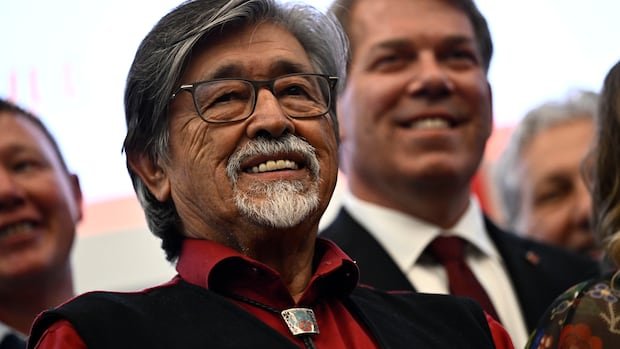
Documents obtained by The Canadian Press indicate that concerns about flawed human resources practices within the organization were repeatedly communicated to senior officials, including Commissioner Ronald Ignace. Despite these complaints, allegations of harassment and workplace issues reportedly remained unresolved. The office has since stated that it received three formal bullying complaints last year, leading to personnel changes and the appointment of an advisor to review governance and HR practices.
Canadian Heritage, which funds the commissioner’s office, emphasized that it does not oversee the office’s employee management. The office, in response to criticisms, highlighted its achievements, such as organizing the WAVES 2025 conference, attended by over 2,000 people from various countries. However, internal documents revealed concerns about the conference’s escalating costs relative to the office’s annual budget and the potential impact on operational expenses.
As an independent review is underway as mandated by the Indigenous Languages Act, the current five-year term for the commissioner and directors is set to conclude soon. Commissioner Ignace has affirmed his commitment to serving only one term and has expressed pride in the progress made by the office in advancing Indigenous languages in Canada.
UNESCO recognizes the critical importance of protecting and revitalizing Indigenous languages, many of which are classified as at-risk or endangered. Despite challenges, stakeholders remain optimistic about the pivotal role the commissioner’s office can play in preserving these languages for future generations.