

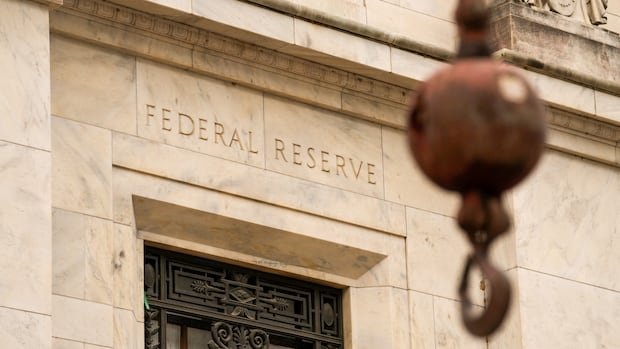

The Federal Reserve decided to keep interest rates unchanged on Wednesday, with a plan to potentially raise them later this year due to concerns over inflation exceeding the central bank’s two percent target. In the new quarterly projections, nine Fed officials foresee a rate hike by the end of 2026. The updated policy statement no longer hints at further reductions in borrowing costs for the year.
Chairman Kevin Warsh’s influence was evident in the statement, which removed any guidance on future rate moves, emphasizing the central bank’s commitment to maintaining sufficient reserves in the banking system. The revised document, unanimously approved by the Federal Open Market Committee in a 12-0 vote, adopts a format similar to that used by former Fed chairman Alan Greenspan.
Warsh’s impact on the debate was highlighted, reflecting his focus on strong productivity growth and capital investment, despite acknowledging elevated inflation compared to the target. The statement anticipates inflation slowing next year, allowing rates to revert to current levels by the end of 2027 and declining further in 2028.
Treasury yields increased following the release of the policy statement and projections, while U.S. stocks saw a slight decline and the U.S. dollar strengthened against other currencies. Short-term interest-rate futures now indicate a higher probability of a rate hike by September than maintaining the status quo.
Not all policymakers provided rate projections for the “dot-plot” chart, with one dot presumably omitted by Warsh, who has been critical of the quarterly Economic Projections Summary. This statement signifies a shift in leadership at the central bank and a change in monetary policy outlook from lowering borrowing costs implemented during the high inflation period of the COVID-19 pandemic.
Projections suggest a potential quarter-point increase in the policy interest rate by the end of this year, with inflation expected to rise to 3.6 percent by the end of 2026 before decreasing to 2.3 percent in the following year without a rate hike, attributing high prices to supply disruptions. Economic growth projections were slightly adjusted, with the unemployment rate anticipated to remain at 4.4 percent by the end of the year, consistent with previous Fed estimates.