

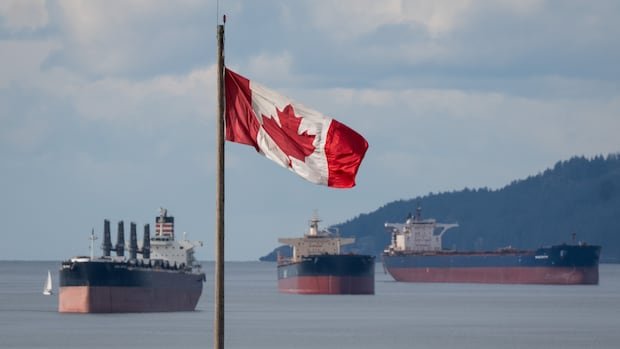

Christmas is arriving ahead of schedule this year, leading to a surge in shipping costs. The early influx of wholesale orders for various products, ranging from holiday decorations to home furnishings, has driven maritime shipping rates to their highest levels in four years. This spike in costs is attributed to the uncertainty surrounding tariffs and the situation in Iran, potentially impacting consumers.
Experts in the industry suggest that retailers and importers, particularly in the United States, are rushing to secure shipments in anticipation of impending U.S. tariffs affecting numerous countries, expected to be announced by the end of July. This heightened demand is driving up prices for seaborne transportation globally.
Judah Levine, head of research at shipping platform Freightos, explained that the surge in freight rates is primarily due to the early onset of peak-season demand, driven by concerns over tariffs and rising fuel prices resulting from the prolonged closure of the Strait of Hormuz. Moreover, long-term contracts between large shippers and carriers, which factor in quarterly adjustments for fuel costs, are also contributing to the increased shipping expenses.
The Platts Container Index indicates a significant 80% increase in global shipping rates for containers in the 30 days ending on June 24, reaching their highest levels since April 2022. Prices for shipping containers from East Asia to North America’s west coast have surged by 120% in the past six weeks, now averaging $6,200 US per 40-foot container.
The uncertainty surrounding potential U.S. tariffs, particularly those related to forced labor investigations in various countries, and the recent renewal deadline of the Canada-United States-Mexico Agreement, are driving the urgency for importers and manufacturers to expedite their orders. This sense of urgency has created a rush to book shipments, leading to higher prices.
Business leaders, such as John Corey, president of the Freight Management Association of Canada, highlight the impact of this uncertainty on the shipping industry. Despite most merchandise exported from Canada to the U.S. complying with trade agreements and being exempt from tariffs, the prevailing ambiguity is prompting companies to secure supplies preemptively.
Lisa McEwan, co-owner of customs brokerage Hemisphere Freight, emphasized the need for clients to act quickly in booking and shipping orders amid the current market conditions. With clients ordering a wide range of products earlier than usual, including clothing, holiday decorations, furniture, electronics, and more, consumers are likely to face increased costs at the point of sale.
Overall, the early onset of Christmas-related orders, coupled with tariff uncertainties and rising energy prices, has created a frenzied shipping environment, ultimately impacting both businesses and consumers alike.