

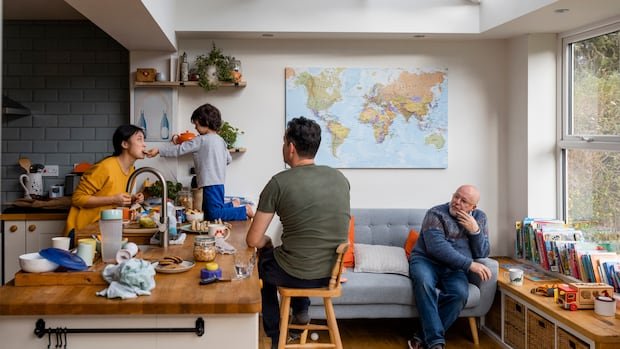

Creating a living space that caters to multiple generations can be a challenge, as different age groups often have varying needs and preferences. From accommodating seniors with mobility issues to providing a conducive environment for young children and ensuring privacy for working adults, a harmonious balance is crucial for a functional and enjoyable home.
Experts like Camille Farrag, a housing researcher with Canada Mortgage and Housing Corporation, emphasize the importance of incorporating universal design principles from the outset. Universal design focuses on creating spaces that are accessible and user-friendly for individuals of all ages and abilities. While it is easier to integrate these features during the initial design phase, there are also retrofitting options available to make existing homes more inclusive.
One key aspect of designing a multi-generational home is addressing reach ranges for different family members. Margot McWhirter, an occupational therapist, recommends solutions like adjustable pull-down closet rods that bring clothes within easy reach, catering to both seniors and young children. These rods not only enhance accessibility but also optimize vertical storage space, promoting organization within closets.
In addition to practical storage solutions, visual cues such as labeled cupboards and drawers can aid in navigation, especially for children and individuals with memory impairments. Using visual icons or decorative labels can help family members quickly locate and store items, contributing to a more organized living environment.
Enhancing the functionality of everyday items, such as light switch plates, can also improve the overall experience within a multi-generational home. By opting for switch plates that stand out or incorporate built-in night lights, household members can navigate the space more easily, especially during nighttime, without compromising on aesthetic appeal.
To mitigate noise disturbances within the household, incorporating artful acoustic panels can be beneficial. These panels not only serve a practical purpose by absorbing sound but also add a decorative element to the living space, blending seamlessly with the existing décor.
Furthermore, considering accessibility in often overlooked areas like the laundry room can make a significant difference. Elevating laundry machines with pedestals or blocks can alleviate bending and strain, particularly for older individuals. Lever-style door handles are another simple yet effective feature that enhances accessibility for everyone, offering ease of use for individuals with reduced grip strength or mobility challenges.
By embracing these design strategies and products that prioritize inclusivity and functionality, multi-generational homes can be transformed into stylish and comfortable living spaces that cater to the diverse needs of all occupants.