

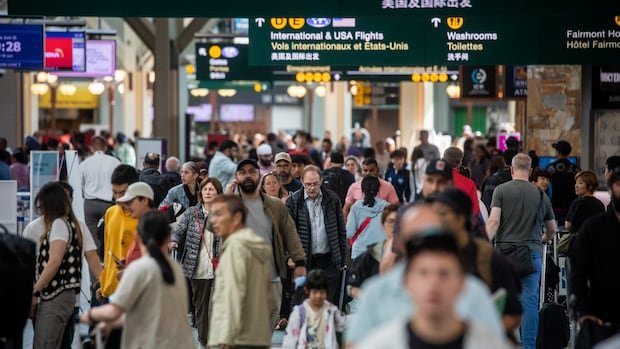

With the increasing cost of fuel, flight cancellations, and ongoing boycotts affecting U.S. travel, some Canadians are reconsidering their summer travel plans. The situation, primarily influenced by the U.S.-Israel conflict with Iran, has led Global Affairs Canada to issue a travel advisory ahead of the peak travel season.
Global Affairs Canada stated, “Summer is approaching rapidly, and numerous Canadians are gearing up for international travel. The developments in the Middle East pose challenges that travelers worldwide should take into account.”
The advisory warned about potential fuel shortages causing flight disruptions and interruptions in accessing local services at travel destinations.
As Canadians prepare for their vacations, experts suggest ways to minimize risks and save money amid financial constraints faced by many individuals.
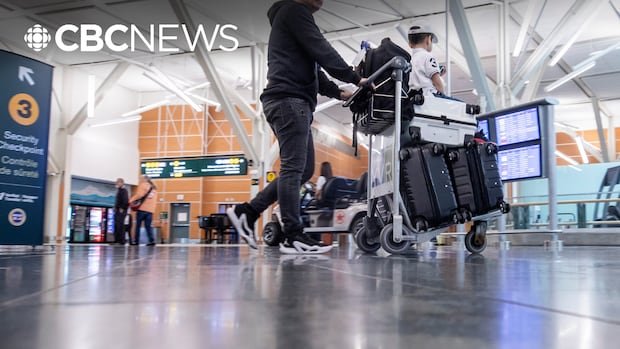
If you’re planning an international trip this summer, be aware that the International Energy Agency warns of a potential jet fuel shortage in Europe due to the global energy crisis amid Middle East conflicts. Werner Antweiler, an associate professor at UBC’s Sauder School of Business, shared insights with BC Today host Michelle Eliot about possible flight disruptions in Asia and Europe.
From choosing domestic travel to investing in travel insurance, here are the recommendations from travel experts for Canadian travelers:
Identify flights at risk of cancellation
Major airlines like Air Canada have already axed unprofitable flight routes due to the ongoing jet fuel scarcity. However, not all flights face the same cancellation risk.
Werner Antweiler from UBC’s Sauder School of Business advised travelers to assess which flights could be affected. According to him, long-haul transatlantic flights are less likely to be canceled.
-
Air Canada cuts more flights due to soaring jet fuel prices
-
Air Transat’s parent company cutting flights due to high cost of jet fuel
Antweiler explained that short-haul flights, which are more costly to operate, are at higher risk of cancellation. He mentioned that airlines find it easier to reroute passengers for short-haul flights compared to transatlantic journeys.