

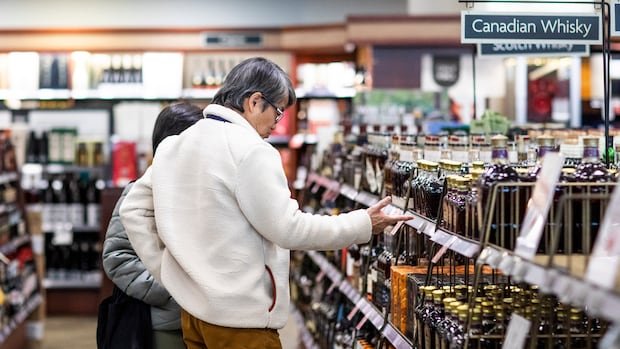

Distiller James Lester, owner of Sons of Vancouver distillery in British Columbia, is facing a new challenge amidst the ongoing trade war. Effective as of 12:01 am ET on Tuesday, certain Canadian alcohol products, dairy byproducts, motorcycles, and molasses are now banned from entering the U.S. market. This ban has left Lester disheartened as Sons of Vancouver typically ships wheated rye to the U.S., comprising less than 10% of their total business. Despite some remaining online stock available in the U.S., the future remains uncertain for their American customers.
The import prohibition exacerbates tensions in the trade war, particularly impacting the alcohol sector, a contentious issue for policymakers on both sides of the border. Small producers are expected to bear the brunt of the ban, with spirits manufacturers at risk due to the significant volume of liquor Canada exports to the U.S. Spirits Canada reports that nearly 93% of spirits leaving Canada are destined for the American market, making the loss concerning for the industry.
While larger multinational companies with operations on both sides of the border may evade the ban’s full impact, smaller players, such as independent distilleries and vineyards, are likely to face significant challenges. The targeted ban on certain alcohol products underscores the strategic nature of alcohol as a trade commodity and its symbolic importance in the Canada-U.S. trade landscape.
The trade dispute’s focus on alcohol dates back to retaliatory measures in 2025 when Canadian premiers removed U.S.-made liquor from provincial stores in response to American tariffs. The White House cited alleged discrimination against American alcohol, leading to the imposition of new tariffs that affected a range of Canadian products, including alcohol. Alcohol’s significance in the trade war stems from its cultural and economic importance, with brands like bourbon from Kentucky and wine from California serving as potent symbols of national identity.
Despite the challenges posed by the ban, industry experts suggest that consumers may adapt by seeking local alternatives, making alcohol an effective target for trade policy. The ban’s ripple effects have been felt by businesses on both sides of the border, with some wineries experiencing financial strains and market disruptions. The Distilled Spirits Council of the U.S. has urged for a resolution to the alcohol trade dispute, emphasizing the need to restore normal trade relations for the benefit of all stakeholders.
Joan Kautz, representing Ironstone Vineyards in California, acknowledges the impact of the trade tensions on their business, with exports to Canada halted for over a year. While the situation has led to financial losses and market adjustments for many alcohol producers, there remains hope for a resolution that will allow cross-border trade to resume and consumers to enjoy a return to normalcy in the alcohol market.