

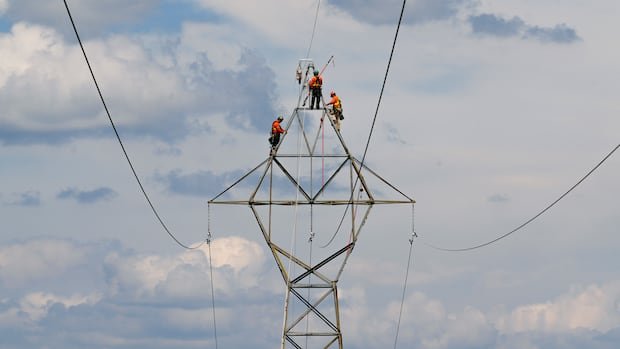

The exclusion of softwood lumber from the federal government’s $1 billion tariff relief funding has raised concerns in British Columbia. Premier David Eby expressed frustration, highlighting the impact of U.S. tariffs on the province’s softwood lumber industry. Eby emphasized the significance of the industry in terms of employment, surpassing the combined workforce of steel and auto parts in Canada.
Eby criticized Ottawa for overlooking B.C.’s softwood lumber sector, urging for more attention and support from the federal government. He hoped for a separate funding announcement dedicated solely to the struggling industry.
Moreover, Eby questioned the government’s persistence in promoting a new oil pipeline from Alberta despite opposition from him and Coastal First Nations. Political science lecturer Stewart Prest pointed out the lack of representation from Western provinces in the federal cabinet, suggesting a need for greater consideration of British Columbians’ interests.
Advocating for Softwood Lumber Relief
The federal government recently announced a $1 billion loan program aimed at supporting industries affected by tariffs, such as steel, aluminum, and copper. Additionally, a $500 million fund was allocated for Canada’s regional tariff response, with provisions for forestry companies facing significant tariffs and duties.
Forestry Minister Ravi Parmar expressed readiness to engage with the federal government to address the challenges faced by the forestry sector. Jeff Bromley, the wood council chair with the United Steelworkers, emphasized the importance of broader support for the forestry industry, which employs around 150,000 workers across the country.
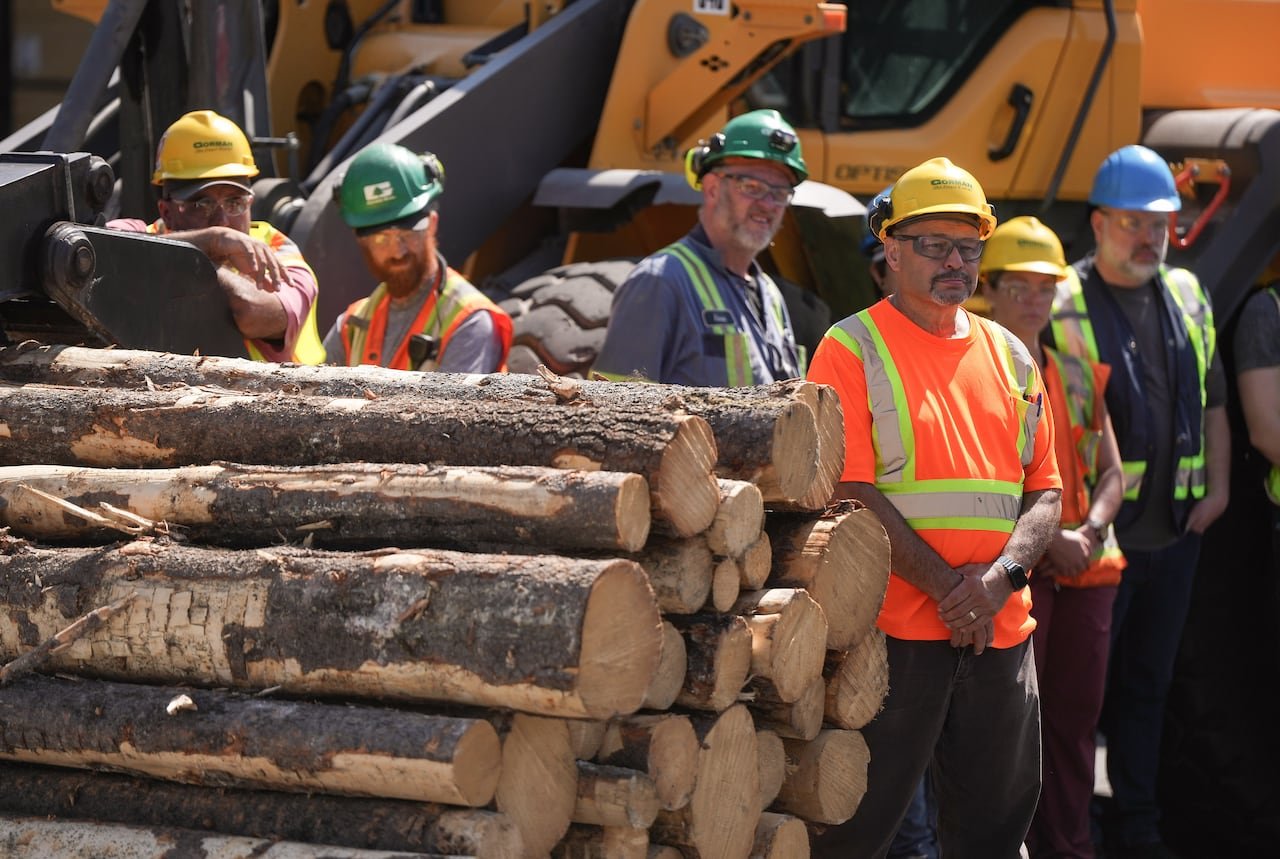
Eby vowed to continue advocating for the industry and seeking recognition and assistance, aiming to secure further support in the future. Despite his efforts, there are concerns about his effectiveness in conveying British Columbia’s interests at the federal level.
Opposition members, including Green MLA Jeremy Valeriote and B.C. Conservative Party leader Trevor Halford, criticized Eby for what they perceive as inadequate representation and influence on crucial decisions. Meanwhile, Eby reiterated his opposition to the proposed Alberta pipeline, emphasizing its speculative nature and lack of tangible progress.
Debating the Pipeline Proposal
Eby reiterated his skepticism towards the proposed Alberta pipeline, dismissing claims of its imminent realization without a confirmed private sector sponsor. Valeriote viewed the prime minister’s stance as an attempt to appease Alberta, with potential implications for the broader national interest.
If the pipeline project advances, Prest noted that Eby’s ability to intervene would be limited, given the federal government’s jurisdiction over such matters. Environmental assessments and consultations with First Nations would be mandatory steps in the proposed pipeline’s development.