

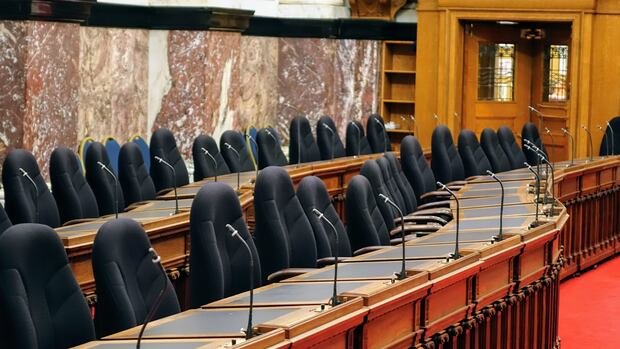

Last year, provincial and territorial legislatures were in session for an average of about nine and a half work weeks. Quebec’s National Assembly had the highest number of sitting days at 79, while Newfoundland and Labrador’s House of Assembly had the least with 23 days. Some politicians argue that the number of days in session is not crucial as essential work also takes place in constituency offices. On the other hand, critics suggest that fewer sitting days could lead to a lack of accountability and the passage of flawed legislation.
Ontario recently faced criticism when the legislature rose for a 21-week break, cutting short its initially planned 76 days of sitting. This change meant that Ontario was initially scheduled to have the most sitting days among all provincial and territorial legislatures before the adjustment. Despite set parliamentary calendars, governments have the flexibility to alter schedules based on various factors such as election timelines and government popularity.
According to political science expert Nelson Wiseman, government popularity can influence the frequency of legislative sittings. Popular governments may tend to have more sitting days, while less popular ones may reduce sitting times to avoid scrutiny and criticism. The decision to sit for fewer days can also be influenced by upcoming elections, allowing politicians more time for campaigning.
While shorter legislative sittings may have advantages, concerns arise regarding the rush to pass controversial legislation towards the end of a session. This hurried approach could result in flawed laws and policies. Opposition members and advocates may find it challenging to engage with the government and voice their concerns effectively during shorter sitting periods.
Former politicians like Joel Harden and Karin Kirkpatrick emphasize the importance of maintaining relationships and engaging with legislators to ensure thorough scrutiny of proposed bills. Despite the variations in sitting days among legislatures, the quality of legislative work and public engagement remain critical factors in the effectiveness of governance.
In summary, the length of legislative sittings can impact accountability, the quality of legislation, and public engagement with policymakers. Balancing the need for adequate scrutiny of bills with efficient governance is a key consideration for legislators across provinces and territories.