

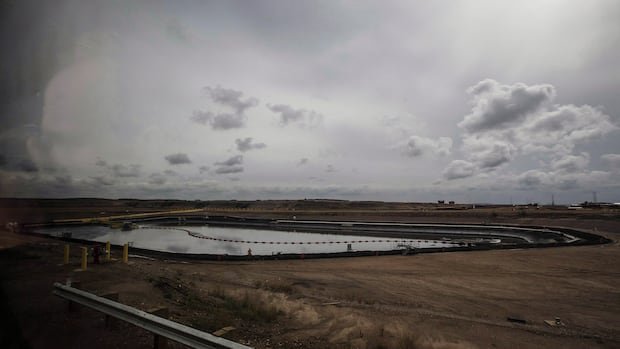

The Alberta government has revealed plans to hold engagement sessions this year as part of its efforts to formulate a comprehensive strategy for the management of tailings ponds and mine wastewater from the oilsands. The government has indicated that the plan will be guided by recommendations put forth for the province last year.
In an official statement released on Tuesday, the government outlined that the engagement process will involve various stakeholders, including Indigenous communities in Alberta, local municipalities, environmental organizations, the technology sector, and federal agencies. Tailings, the byproduct of the oil extraction process that involves separating oil from sand and clay, consist of water, sand, clay, and residual bitumen. The province has reported that there are over 1.5 trillion liters of fluid tailings and 380 billion liters of mine water in the oilsands region.
Tany Yao, the UCP MLA for Fort McMurray-Wood Buffalo, leads the committee responsible for formulating recommendations on tailings pond management. In an interview with CBC News, Yao emphasized the need for educational initiatives to enhance public understanding of the issues, noting that existing technology can effectively address concerns.
The recommendations proposed by the oilsands mine water steering committee include the controlled release of treated tailings into the Athabasca River. Additionally, the committee suggested exploring the conversion of tailings ponds into end-pit lakes, a strategy previously utilized in other mining sectors but not yet in the oilsands.
While some First Nations and Métis leaders have expressed apprehensions about releasing treated tailings into the Athabasca River downstream from the oilsands, proponents argue that Canada maintains a strong environmental track record compared to other oil-producing nations. Jim Boucher, former chief of the Fort McKay First Nation and a committee member involved in the recommendations, underlined the safety measures in place for environmental protection.
Janetta McKenzie, director of the oil and gas program at the Pembina Institute, stressed the importance of transparent feedback from the government’s engagement sessions before finalizing any plans related to oilsands tailings management. The Oil Sands Alliance, comprising major oilsands companies in Canada, welcomed the government’s initiative to engage on the issue, advocating for oilsands-specific guidelines to facilitate progressive reclamation and urging federal regulations to support safe mine water treatment and release.
Overall, the engagement process marks a pivotal step in addressing the challenges associated with oilsands tailings, with a focus on balancing environmental protection and industry sustainability.