

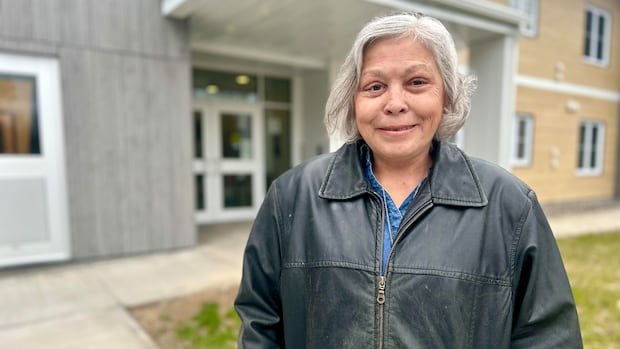

Sandra Boucher is thrilled about her modern one-bedroom apartment in Fredericton’s northern area, highlighting the beautiful layout, especially the well-designed kitchen and cupboards.
Moving into a new 20-unit complex on Charles Avenue in October, Boucher, like her neighbors, appreciates the change from their previous aging accommodations. The surge in demand for affordable housing in New Brunswick has prompted a concerted effort to expand public housing options.
The waitlist for public housing surged from 4,300 households in 2020 to a record high of 14,000 households today, reflecting the pressing need for more affordable units. Residents in government-subsidized housing typically pay 30% of their income as rent, offering vital support for individuals like Boucher, who faced challenges due to vision loss and employment difficulties.
David Hickey, the housing minister, acknowledged the long-standing issue of stagnant public housing growth. A recent government initiative aims to address this by constructing new public housing units, with plans for significant expansion in the coming years.
Despite initial delays in the allocation of funds, progress is being made, with the current government opening 200 public housing units and more in the pipeline. Collaboration with non-profit developers and strategic investments totaling $210 million with federal support are also in place to boost affordable housing development.
Julia Woodhall-Melnik, a housing researcher, emphasized the growing demand for affordable housing in parallel with rising living costs. While new housing projects are underway, she stressed the importance of comprehensive affordability measures to meet the increasing need effectively.
The waitlist for subsidized housing, currently encompassing 16% of renters in the province, has seen extended wait times, with some individuals waiting up to a decade for a suitable unit. The priority in allocating housing is based on critical need, such as families with children or individuals facing homelessness.
Individuals like Matthew Wright, who recently secured an accessible subsidized apartment after a 35-year wait, illustrate the life-changing impact of obtaining affordable housing. With ongoing efforts to expand housing options, the hope is to address the persistent need for affordable accommodations in the province.