

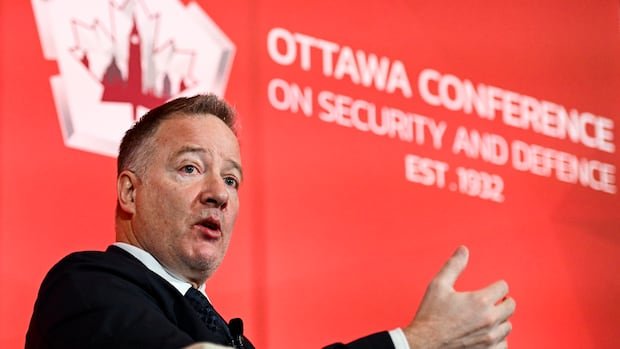

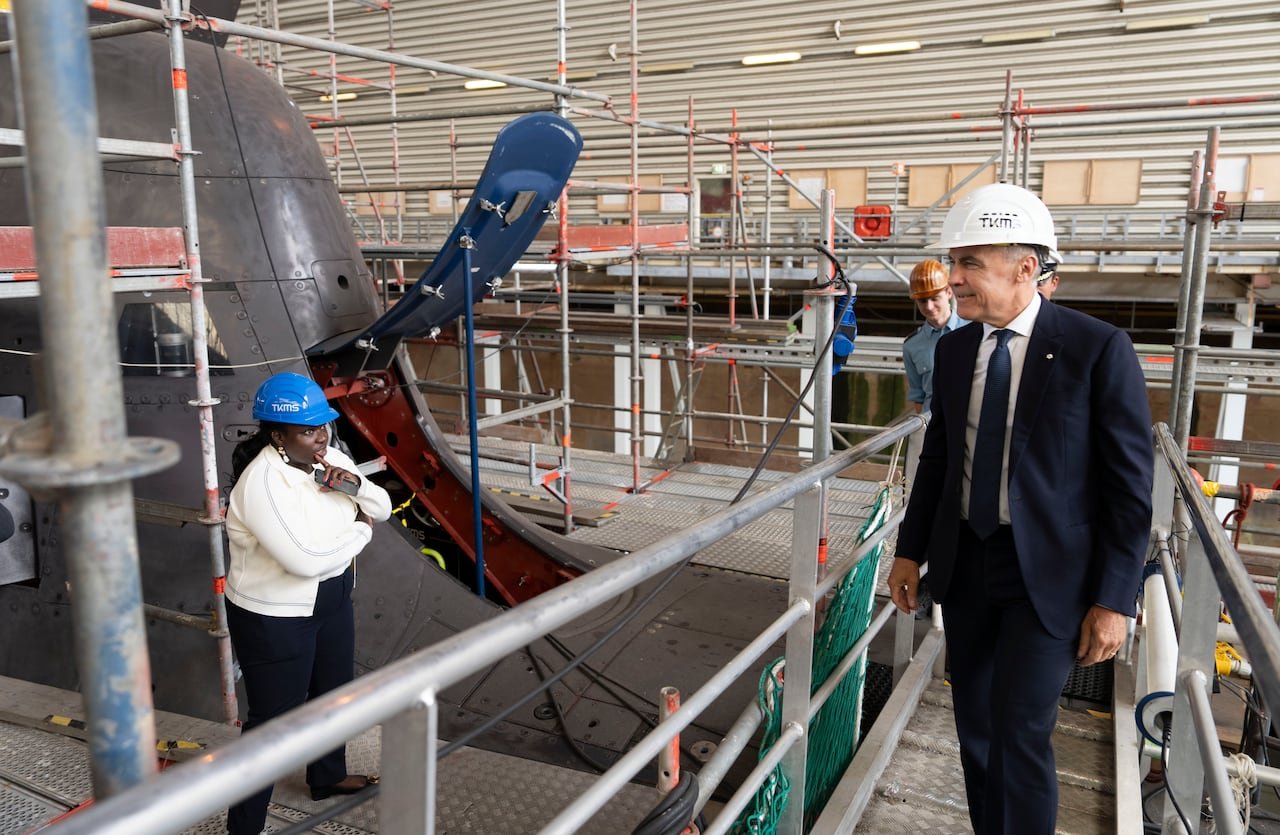
The competition for constructing Canada’s next fleet of submarines is intensifying, as highlighted at the Conference of Defence Associations Institute’s annual gathering in Ottawa. Germany’s ThyssenKrupp Marine Systems and South Korea’s Hanwha Ocean, the main sponsors of the event, have showcased miniature models of their submarines at the Chateau Laurier hotel for attendees, including Armed Forces members, bureaucrats, and cabinet ministers.
Canada’s secretary of state for defence procurement is emphasizing the submarine contract as a success story to address the government’s history of slow and costly procurements. Stephen Fuhr, during a keynote speech at the event, emphasized the importance of open, fair, and transparent defense procurement processes.
-
Deadline day: $20B submarine showdown puts Korean and German bids in spotlight
-
South Korean shipbuilding giant announces major boost for Ontario marine industry at Hamilton site
-
There could be ‘mutual interest’ in Canada building its submarines, says German armament secretary
Refuting media reports suggesting a potential split in the contract, Fuhr emphasized the government’s current focus on finding a single partner for the submarine project. Vice-Admiral Angus Topshee also addressed the possibility of a mixed fleet but highlighted the efficiency of maintaining a single class of submarines.
Prime Minister Mark Carney’s previous statement indicating that the contract will not be split was reiterated by Topshee, emphasizing the Navy’s adherence to the current plan.
At the event, Fuhr discussed the creation of the Defence Investment Agency to streamline procurement processes by consolidating decision-making authority. The agency, currently under Public Service and Procurement Canada, will transition into a standalone entity with oversight of procurements exceeding $100 million.
The submarine contract, if fully realized with 12 submarines and accompanying infrastructure, could be one of the largest procurements in Canada’s history, Fuhr mentioned.
Final proposals from TKMS and Hanwha have been submitted to the government. TKMS CEO Oliver Burkhard expressed openness to a mixed fleet but cautioned about potential side effects, particularly in the industrial aspect.
The selection of the winning bidder will consider the industrial and economic benefits promised by the firms. Industry Minister Mé