

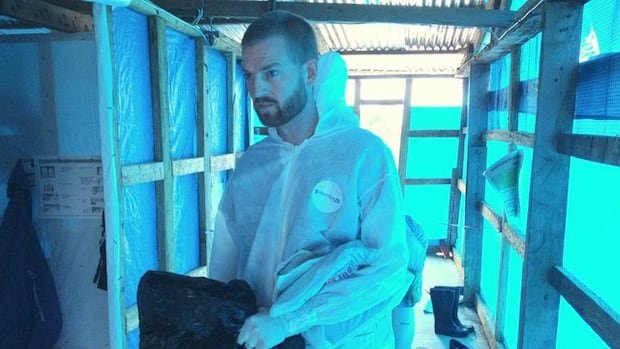

Twelve years ago, in Monrovia, Liberia, Dr. Kent Brantly woke up on a warm summer morning feeling unwell. He worried it might be malaria due to the similar symptoms, but he feared the worst when informed he had tested positive for Ebola. Brantly, scared and saddened at the thought of leaving his wife and children, survived the disease with medical care in Liberia and then in the U.S., becoming the first person in the country treated for Ebola during the 2014 outbreak, where more than half of the patients succumbed to the virus.
Presently, the deadly Bundibugyo strain of Ebola is spreading in the Democratic Republic of Congo and Uganda without a vaccine. Frustrations in the local community escalated to an attack on an Ebola hospital, highlighting the stigma associated with the illness. Brantly urged for a calm and compassionate global response to the outbreak.
Reflecting on his own experience, Brantly mentioned the uncertainties surrounding how he contracted the Ebola virus, possibly from comforting a patient’s daughter at an Ebola treatment unit. Referred to as a “caregiver’s disease,” Ebola poses a risk of transmission to healthcare workers and family members caring for the sick. The virus can spread through body fluids on surfaces and during burial practices, leading to conflicts.
During the 2014 epidemic, nearly 600 healthcare workers were infected, emphasizing the challenges of dealing with the fear and panic Ebola instills in communities. The current outbreak of the Bundibugyo strain has resulted in numerous suspected cases and deaths, including healthcare workers, with containment efforts complicated by the region’s movement due to mining activities.
The outbreak’s location in a border region with weak healthcare infrastructure and civil unrest has hindered containment efforts, with misinformation exacerbating mistrust and violence towards health facilities. Control measures such as personal protective equipment, rapid test kits, and contact tracing are vital in reducing transmission, with WHO providing emergency supplies to support the affected regions.
Brantly expressed gratitude for the medical team that treated him with experimental intravenous treatment during his battle with Ebola, emphasizing the privilege he had compared to those currently affected by the outbreak. While there are vaccines and treatments available for the strain Brantly faced, none are approved for the Bundibugyo virus, highlighting the need for continued efforts to combat the disease.
Brantly urged for support towards the affected regions and emphasized the importance of early care for Ebola symptoms to increase survival rates. Global Affairs Canada reported over 3000 Canadians in the area, with one Ontario resident being tested after traveling to East Africa.
As the world faces the challenges posed by the Ebola outbreak, Brantly called for collective action to aid those affected and alleviate the impact of the disease on communities.