

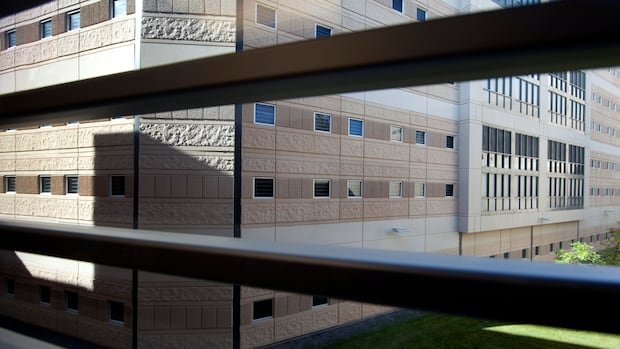

Ontario has delayed addressing ongoing issues in its correctional facilities, with legislation from years ago remaining inactive as concerns about violence, overcrowding, and mental health within jails continue to escalate. To address this, the New Democrats are introducing a new bill to push the province to enforce the Correctional Services Transformation Act, which was passed in 2018 but has not been implemented. The bill aims to establish a timeline for the act’s enforcement, responding to the urgent need for improvements highlighted by disturbing accounts from workers, inmates, and their families.
The proposed bill, revealed exclusively to CBC News, not only calls for the activation of the Correctional Services Transformation Act but also introduces measures to protect whistleblowers and empower a corrections watchdog, known as an inspector general. This official would have expanded authority to investigate jails, make recommendations, and compel information disclosure from officials and cabinet members regarding safety, training, and funding. Additionally, the inspector general would be responsible for ensuring up-to-date information on jail populations is publicly available online.
As scrutiny of Ontario’s correctional system intensifies, judges have reduced sentences in response to the deplorable conditions inside some facilities. These conditions were highlighted in a scathing 2024 court ruling by Superior Court Justice Anne Molloy, revealing prolonged lockdowns and inadequate living conditions at the Toronto South jail. The bill also coincides with the province’s plan to address overcrowding by adding more than a thousand new beds by 2032, despite the majority of individuals in Ontario jails being legally innocent and awaiting trial.
Despite the 2018 legislation’s intent to reform the corrections system by setting standards for living conditions and access to care, the Ford government has failed to enact it, according to Howard Sapers of the Canadian Civil Liberties Association. Sapers, who conducted a review that informed the legislation, emphasized the government’s responsibility to explain why the law remains inactive. He criticized the province’s plan to expand jail capacity, noting that building more facilities does not address the underlying issues.
Establishing a corrections watchdog was a key recommendation following an inquest into the death of Soleiman Faqiri in 2016, shedding light on systemic problems in Ontario’s correctional centers. Faqiri’s brother Yusuf, who has been advocating for justice, supports the NDP’s bill, believing it could bring accountability and prevent future tragedies like his brother’s death. The hope is that Soleiman Faqiri’s legacy will inspire meaningful change within Ontario’s correctional system.