

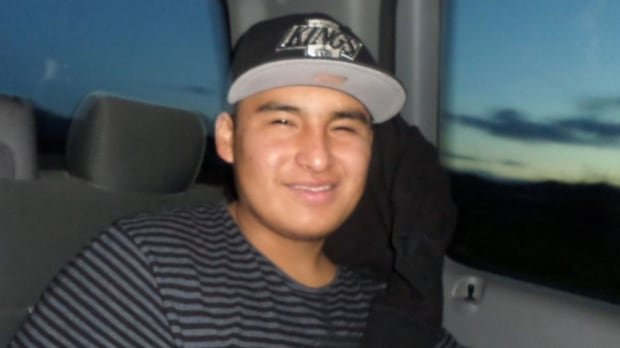

James Poker’s experience in care was marked by conflicting information. While his caregivers reported him as happy and flourishing in out-of-province placements, in reality, he frequently ran away and struggled with hallucinations. Despite the misleading communication, his family’s lawyer, Scott Lynch, argued that it hindered their understanding of James’s issues.
During his time at Ranch Ehrlo in Saskatchewan, crucial details about James’s mental health and care updates were not communicated to his family. James aged out of care in 2013 and tragically passed away before his 18th birthday, becoming one of six youths examined in a public inquiry on the treatment of Innu individuals in the child protection system.
James, born in 1997, had a strong foundation in Innu culture before being adopted by another family at age two. Lynch highlighted missed opportunities by the Department of Children, Seniors and Social Development to address concerning behaviors in James’s early life.
James spent four years at Broken Arrow Residential Treatment Services in Ontario, where his family had limited contact and visits. The investigation into his death revealed discrepancies in the care he received and the lack of cultural relevance in the services provided.
After returning home, James faced mental health challenges and tragically passed away in 2015. The lack of communication and support from care facilities exacerbated his struggles, leading to his untimely death. The inquiry highlighted the need for a reformed child protection system to better serve Indigenous communities like the Innu people.
Despite legislative efforts like Bill C-92, which grants Indigenous communities child protection jurisdiction, the current system’s failures underscore the need for significant improvements to prevent similar tragedies in the future. The call for a more culturally sensitive and community-driven approach to child protection remains urgent.