

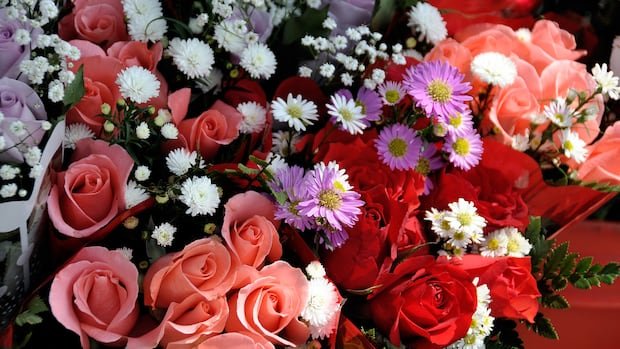


Mother’s Day serves as a time to acknowledge the multifaceted contributions of mothers, often symbolized through the gesture of gifting flowers.
Renowned for their visual allure and aromatic appeal, flowers have historically served as conduits for expressing various sentiments: love, appreciation, jubilation, or simply a gesture to uplift someone’s spirits.
Statistics from a recent study by Statistics Canada in 2025 revealed that over 425 million flowers were harvested in greenhouses nationwide.
Biologist David George Haskell emphasizes that while the beauty and fragrance of flowers captivate us, their evolutionary journey often eludes our attention.
Flowering plants emerged around 130 million years ago and rapidly proliferated globally, now constituting approximately 90 percent of all plant species on Earth.
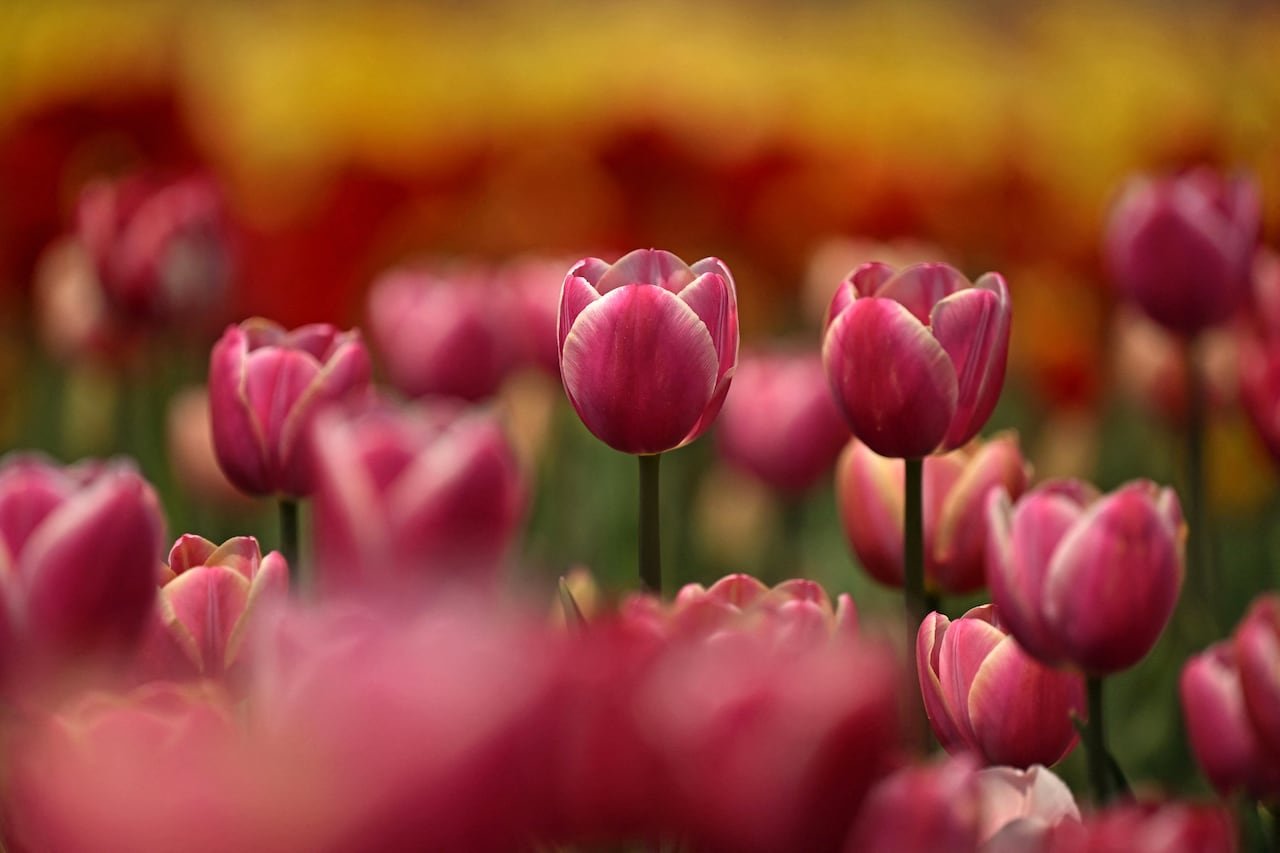
Haskell highlights a pivotal advancement where flowers fused the male and female reproductive components within a single flower structure.
Prior to this evolution, these roles were typically segregated within different plant parts or even across distinct plants.
He elucidates, “This consolidation enables any visiting insect to both transport and receive pollen, facilitating remarkably efficient reproduction.”
In order to attract insects and other pollinators, flowers underwent adaptations to display visually alluring petals and emit fragrant scents.
While natural agents like wind can assist in pollen transfer, insect pollination proves more effective due to its precise particle conveyance.
The ingenious evolution of flowers lies in their capacity to forge novel alliances between plants and animals, as articulated by Haskell, the author of How Flowers Made Our World.
He notes, “For eons, insects had primarily posed challenges by consuming leaves, sapping sap, or gnawing roots.”
“Flowers alter this narrative, transforming former adversaries into cooperative allies,” he asserts.
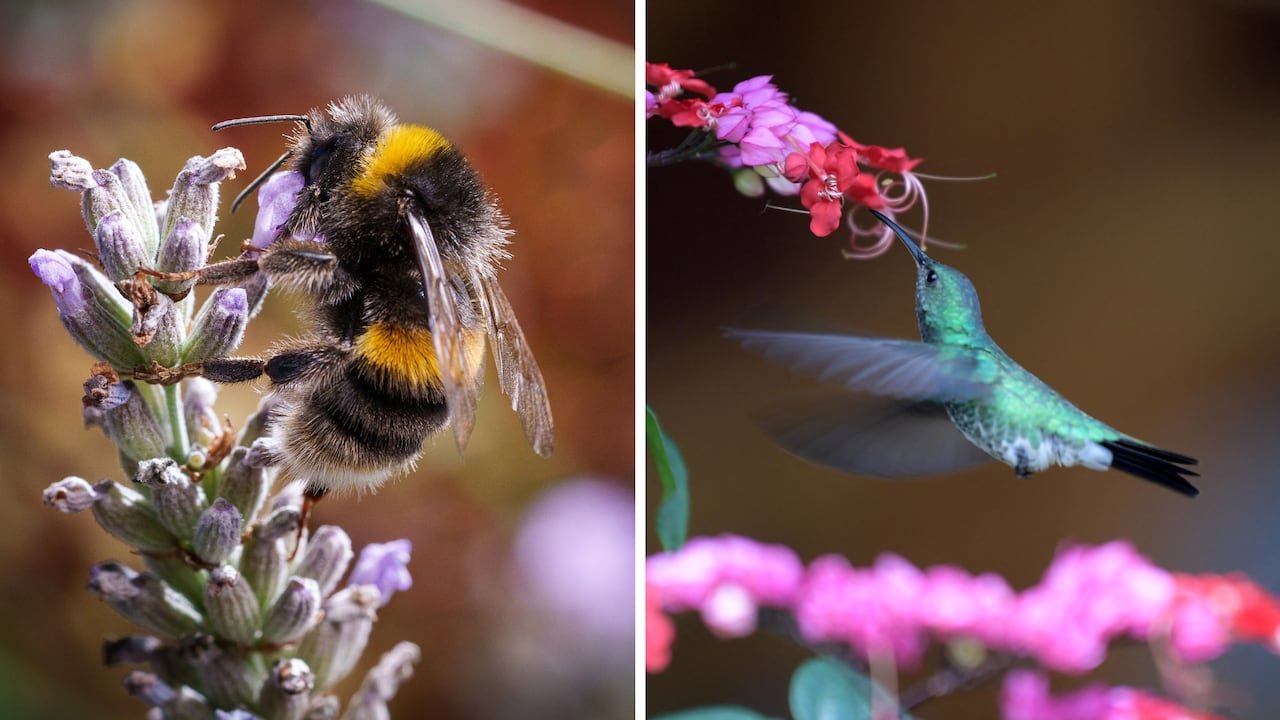
This symbiosis elucidates the diverse forms, hues, and fragrances of flowers, as explained by Susan Dudley, a biology professor specializing in plant evolution at McMaster University.
<