

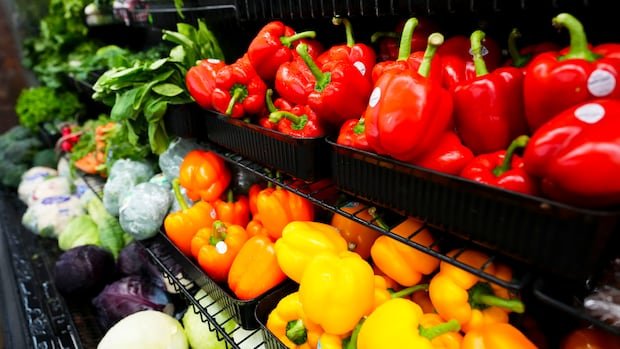

Canadian politicians are considering implementing public grocery stores to combat rising food costs in cities like Toronto and New York. The proposed model involves the government covering construction and operational expenses, with the goal of offering lower prices to consumers through a private operator. This initiative has gained traction, with Toronto city council endorsing a pilot program set to launch next spring. The idea has also been championed by federal NDP leader Avi Lewis.
Advocates argue that public grocery stores could provide essential items at more affordable prices compared to private retailers. However, critics raise concerns about the feasibility and potential waste of public funds associated with this approach.
The escalating food prices in Canada, with a 5.7% increase reported in February compared to the previous year, have prompted discussions on alternative solutions to alleviate financial burdens on families. Experts like food economist Michael von Massow caution that public grocery stores may not effectively address inflationary pressures due to the industry’s complex dynamics.
While government support for public grocery stores is under scrutiny, the concept of public-private partnerships or municipal ownership models is being explored. These collaborative arrangements aim to ensure sustainable operations and community benefits. Successful examples, such as the St. Paul Supermarket in Kansas, demonstrate the potential of government-backed grocery initiatives.
Drawing inspiration from the U.S. military commissary model, some suggest that Canada could adopt a similar strategy to subsidize essential goods for consumers. However, concerns persist about the financial viability and operational efficiency of public grocery stores in the Canadian context.
Amidst these debates, industry stakeholders emphasize the importance of addressing broader supply chain challenges and supporting independent grocers to enhance competitiveness. Suggestions include reducing transaction fees and enhancing support for local businesses to foster a more resilient food ecosystem.
In parallel, the Canadian government has announced measures to alleviate the cost of living for citizens, including enhanced GST rebates and targeted benefits for low-income individuals. These initiatives aim to provide direct financial relief to those most affected by rising food prices.
As discussions continue on the viability of public grocery stores in Canada, experts emphasize the need for comprehensive solutions that address systemic challenges in the food industry and prioritize consumer welfare.