


New Democratic Party (NDP) Member of Parliament Leah Gazan inadvertently sparked a frenzy in U.S. culture war circles when she introduced the acronym “MMIWG2SLGBTQQIA+” during a recent press conference in Ottawa. The obscure term, likely unfamiliar to many Canadians as well, quickly became a target for ridicule on platforms like Fox News and social media, drawing comments from figures such as Elon Musk and Ted Cruz.
The incident highlighted a shift in American interest towards Canadian political affairs, a departure from the previous notion that Americans were indifferent to their northern neighbor’s issues. This newfound attention has put Canadian matters under a different spotlight, with some reflecting on the days of relative anonymity.
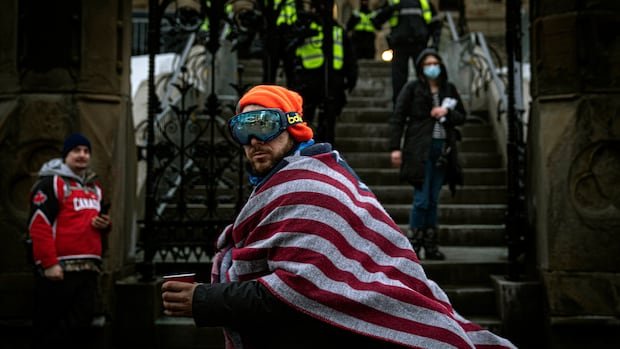
The emergence of the trucker convoy in early 2022 further fueled U.S. interest in Canadian domestic politics, notably drawing attention from former President Donald Trump and gaining traction within the MAGA movement. Aengus Bridgman from McGill University’s Media Ecosystem Observatory noted a growing fascination among Americans with Canadian policies, especially amid shared challenges like public health measures and individual freedoms.
Instances like the ostrich farm controversy have also captured American interest, with high-profile U.S. political figures increasingly weighing in on Canadian issues. The portrayal of Canada in right-wing circles as a nation weakened by “wokeness” and external influences has contributed to a narrative that aligns with certain U.S. political agendas.
Jennifer Welsh from McGill’s Max Bell School of Public Policy emphasized the strategic framing of Canada by some U.S. groups, echoing broader global trends where allies are depicted as threats to traditional values. This narrative extends to the U.K. and Europe, where American figures have openly engaged in local politics, pushing agendas that resonate with their own ideologies.
The global reach of right-wing media platforms poses challenges, with Lennox warning of potential interference in Canadian affairs, particularly in regions like Alberta where separatist sentiments are gaining momentum. The use of AI-driven campaigns and misinformation tactics on social media platforms underscores the complex dynamics at play in shaping public opinions.
Despite uncertainties surrounding the origins and motives behind such campaigns, the impact of foreign interference in Canadian discourse is evident. Bridgman highlighted the need to address these challenges, emphasizing the risks posed by misinformation and external influences on public discourse.