

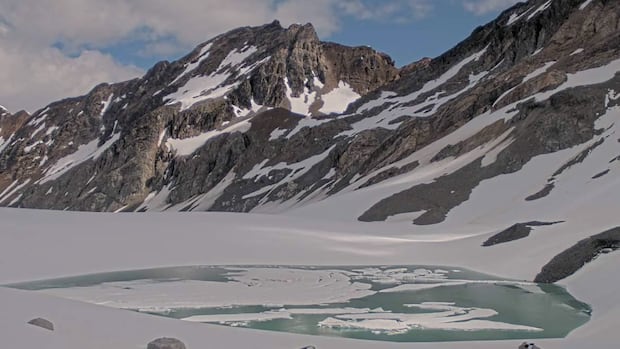

Rick King recalls the noise of glacial water cascading down a mountain close to his land.
“It has a roaring sound similar to a strong wind,” King remarked. “It’s quite unsettling.”
He is among 24 properties under evacuation alert in the northeastern region of Pemberton, B.C., as Place Glacier continues to melt into an increasingly dangerous glacial lake. There is a possibility it could overflow or burst at any moment.
This marks the third consecutive year that a glacial lake outburst is anticipated, with residents near Birken on evacuation alert since June 7.
According to the Squamish-Lillooet Regional District (SLRD), an evacuation order will be issued once the lake reaches a depth of 30 metres.
Research scientist Jeff Crompton stated that predicting the exact timing of the outburst is challenging.
“We understand that it is very likely to drain once the water hits its peak level… it could drain before that, which adds to the uncertainty,” Crompton explained.
Properties affected in previous years
Last year, the creek beside King’s property rose approximately two feet due to sediment, trees, and rocks from the outburst.
“If it bursts now, there’s absolutely no space for the water,” King warned. “That will flood our yard, our farmland, our pasture for the cows, and likely our home.”
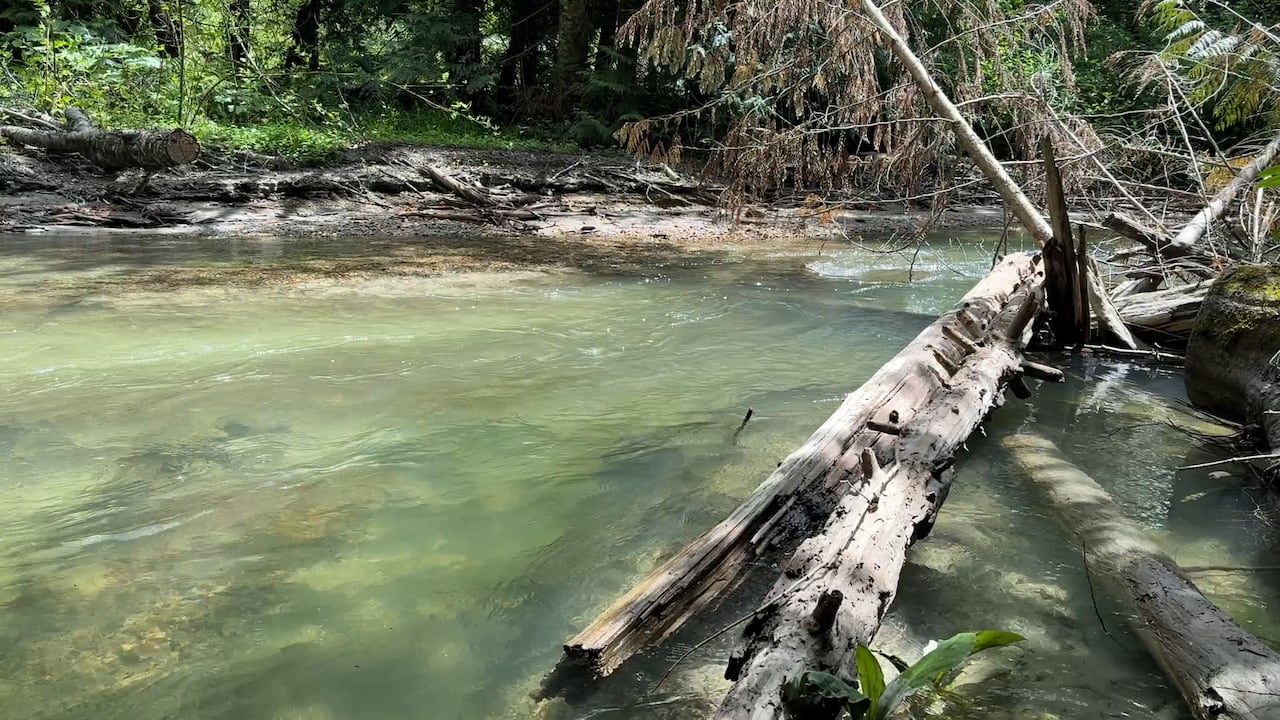
Debris and glacial sediment in Poole Creek raise concerns among residents regarding the amount of water expected from the impending glacial lake outburst. Experts noted that about 100,000 cubic metres of material flowed through the channel in 2024. (Alanna Kelly/CBC)
Don Coggins, a neighbor, also fears his property will be flooded again.
“We’re just waiting, and we know it’s going to happen, and we’ll be flooded once more,” Coggins stated.
Both are apprehensive that this year could prove more severe than in previous years.
“If we experience a significant outburst, even at the current water level, it will all come this way, and our homes will be submerged,” Coggins expressed.
Last year, damage to an embankment at Place Creek directed water towards both Gates Lake and Poole Creek.
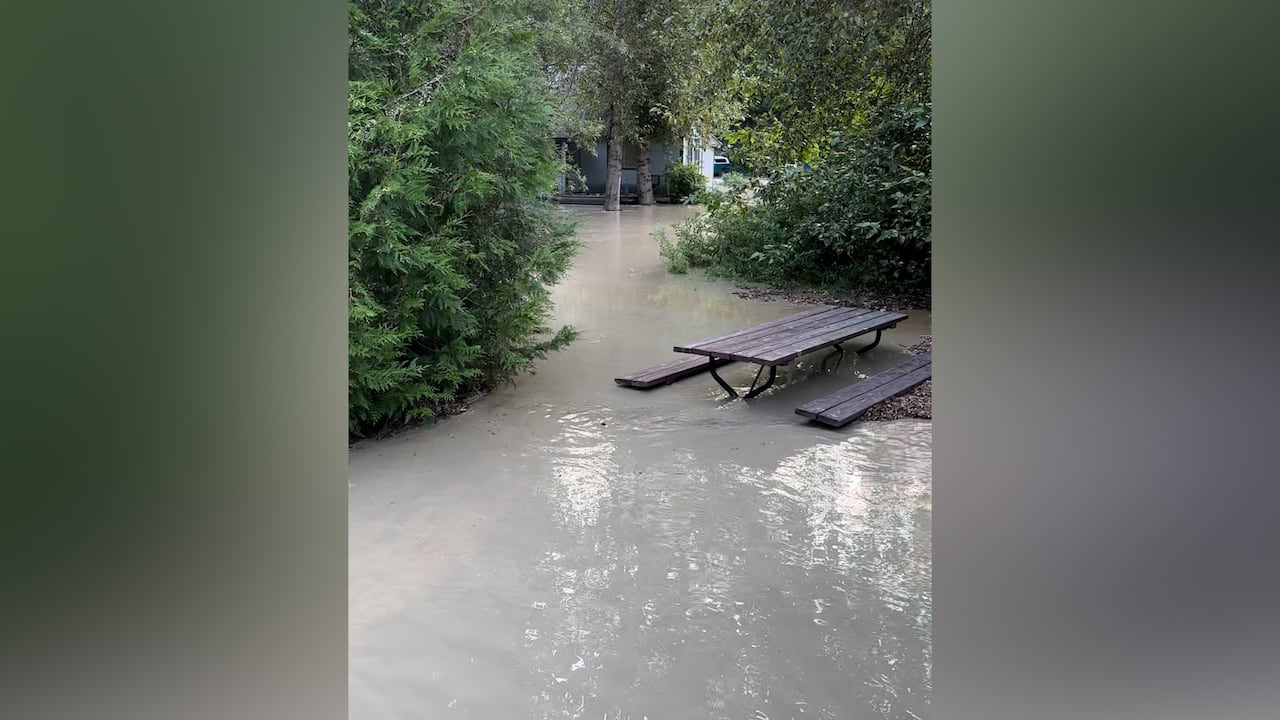
Experts indicated that if the ice is exposed due to warm weather and snowmelt, the glacial lake will fill more rapidly. (Rick King)
The SLRD confirmed that the embankment has been reinforced this year to keep the creek flowing in its “natural and normal” path towards Poole Creek and to limit its direction towards Gates Lake.
King noted that while this means some properties are being safeguarded, it could worsen conditions for his own.
“In past floods, half of the water flowed towards Gates Lake, and if it all comes this way, I could be standing in six to eight feet of water,” King remarked. “It feels really unfair that we will bear the brunt of this.”
Residents demand action
Coggins and King are both anxious and believe that more proactive measures could be taken to prevent flooding.
“What I want to see is action,” stated Coggins. “I want someone to do something rather than just monitor; anything would be better than nothing.”
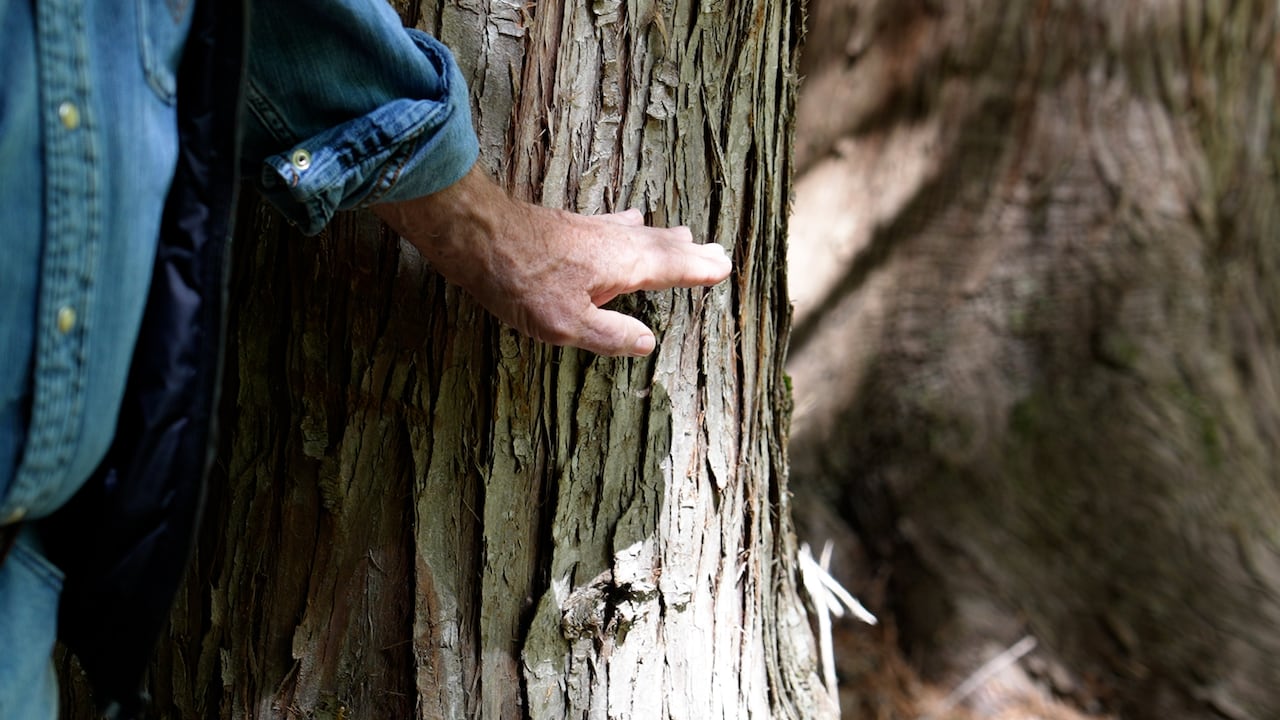
Don Coggins demonstrates how high the water reached on his property. In 2025, he sank up to his shoulders in glacial sediment, managing to survive by clutching onto a nearby tree branch beside the creek. (Alanna Kelly/CBC)
They are advocating for the dredging of Poole Creek to accommodate the outburst water, widening the culvert to allow more debris to pass through, creating a barrier to evenly distribute water between Gates Lake and Poole Creek, and draining the glacial lake.
“I would like to see them address the issue at its source,” King stated. “Find a way to prevent the lake from accumulating and draining all at once.”
Using explosives to fracture the glacier?
British Columbia’s Ministry of Emergency Management and Climate Readiness mentioned that consultants suggested a mitigation strategy involving explosives to fracture the glacier for drainage.
A representative indicated that this mitigation approach will not receive funding due to concerns that using explosives could lead to unexpected geotechnical issues in the high alpine environment.
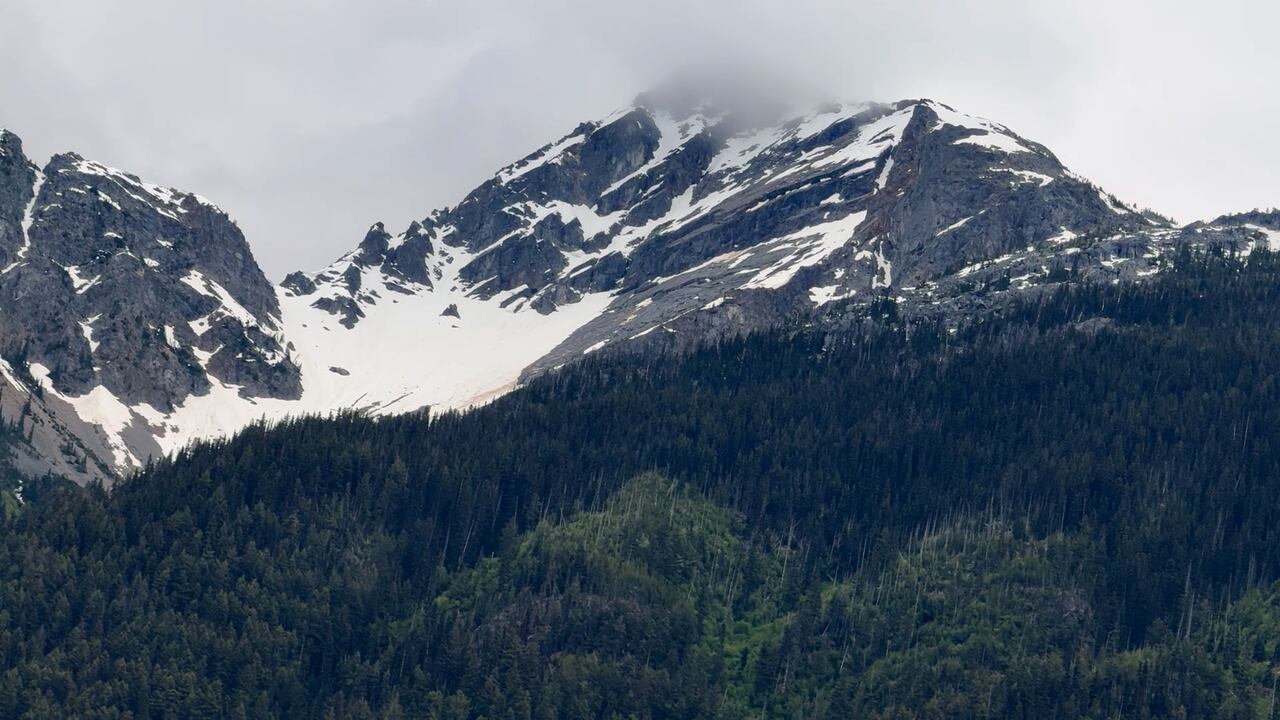
B.C. is home to around 17,000 glaciers, and research scientists believe that Place Glacier is the most studied, with similar events likely to occur in other locations. (Alanna Kelly/CBC)
Coggins expressed frustration, saying they are unable to perform any work in the creek.
“They won’t permit us to take any action, which creates a no-win scenario,” Coggins lamented.
SLRD board chair Jen Ford is advocating for residents affected by landslides to be included in the provincial Disaster Financial Assistance Program.
“We would appreciate if this could be extended to communities impacted by landslides, which currently is not included,” Ford stated.
She emphasized that the rapid changes at Place Glacier serve as a significant warning of potential events at other glaciers.
“This is a canary in the coal mine situation,” Ford remarked.