

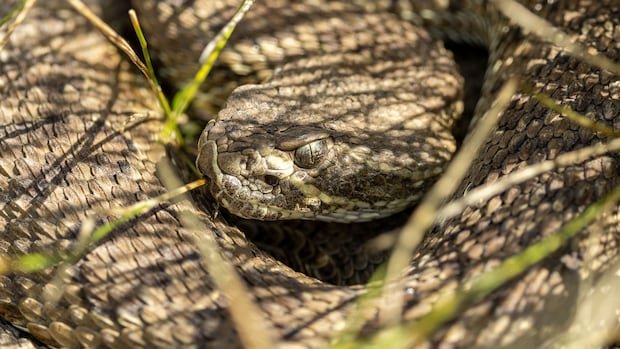

Lethbridge’s resident expert in handling rattlesnakes has been kept busy throughout the year. Ryan First Diver is the go-to person for about 70% of the calls received through the City of Lethbridge’s hotline, which residents can contact if they encounter snakes on public premises. The city’s longstanding rattlesnake mitigation initiative involves relocating snakes from public areas to their natural habitats, such as den sites, wintering grounds, or birthing locations.
This year, a total of 211 snakes, including rattlesnakes and bullsnakes often mistaken for rattlers, have been relocated, marking a record high, as confirmed by First Diver. The City of Lethbridge typically handles between 150 and 160 snake-related calls annually, according to senior bylaw officer Dave Henley.
First Diver noted a significant increase in public awareness of snakes compared to previous years, attributing this shift to his social media posts about snakes. He mentioned that the initial surge in calls following his posts eventually stabilized to a more typical level for a community well-informed about snake encounters.
Residents in Lethbridge are now actively sharing information about snakes and their habitats online to educate others. Should residents encounter a snake and need assistance, they can contact the city’s hotline at 403-332-6806.
Contrary to common misconceptions, rattlesnakes are not inherently aggressive, as clarified by experts. First Diver emphasized that maintaining a safe distance from snakes is usually sufficient to avoid any confrontations, highlighting that snakes primarily rely on camouflage to evade detection. Additionally, Stefano Liccioli, a senior biologist, reiterated that rattlesnakes rarely strike aggressively and primarily do so when cornered or threatened.
The rise in snake-related reports in Lethbridge may indicate an increase in the local snake population or heightened awareness among residents, according to Liccioli. Efforts are underway to study and monitor Alberta’s rattlesnake populations more comprehensively, with the deployment of small transmitters to track snake movements and den locations. Liccioli anticipates significant data on snake population trends in Alberta within the next decade to inform conservation strategies and protective measures.