

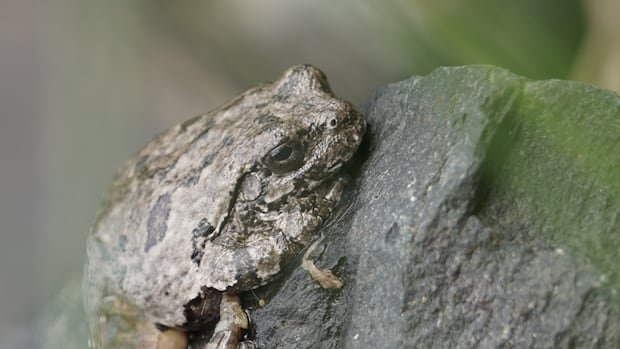

Lethargic frogs and toads shedding thickened skin in patches, facing difficulties in breathing and eating, are clear indicators of chytridiomycosis, a deadly fungal disease known as an “epidermal epidemic” causing the extinction of numerous amphibian species globally. While not yet detected in Manitoba, Canada’s central province, the presence of the pathogen is likely ubiquitous in the region, according to Jackie Tran, a graduate student conducting frog and salamander sampling in southern Manitoba.
Chytridiomycosis in frogs is attributed to the fungal pathogen Batrachochytrium dendrobatidis, while in salamanders, it is caused by Batrachochytrium salamandrivorans. The latter, suspected to originate in East Asia, has devastated local salamander populations in parts of Europe over the past few decades. Despite its absence in North America thus far, there are concerns about its potential introduction.
The disease, directly responsible for the extinction of over 90 species and declining numbers in more than 500 others, has been labeled as the worst infectious disease recorded among vertebrates. Recent years have seen its increasing establishment in the United States and Canada.
Studies have revealed a significant prevalence of chytrid in Alberta frog populations between 2006-2010, with northern leopard frogs particularly impacted. This species, classified as endangered in certain Western Canadian regions and as a species of special concern in Manitoba, has witnessed population declines across the country, with suspicions that chytrid could have been a major contributor to a significant decrease in Manitoba numbers several decades ago.
While the root of the frog and toad chytrid variety’s emergence remains uncertain, speculations suggest its presence in Brazil and Asia for over a century before spreading globally, partly due to the exotic pet trade. With ongoing research and monitoring efforts, there is hope to prevent further declines and potential extinctions among amphibian populations in Manitoba and beyond.