


Court documents recently revealed new insights into Elections Alberta’s probe regarding the exposure of private voter data of millions of Alberta residents by a separatist group online. The investigation began on April 24 after allegations of misconduct surfaced. An Elections Alberta official was shown a YouTube video demonstrating how to join the Centurion Project, a third-party advertiser promoting Alberta independence. The group denies any wrongdoing, claiming the data in its database came from a third party.
The video displayed personal information such as addresses and polling station numbers when a name was entered into the database. An investigator cross-referenced this data with Elections Alberta’s records, confirming a match. Further scrutiny of the Centurion Project’s database revealed fake names, including one listed in data shared with the Republican Party of Alberta in June 2025. Additionally, 86 fictitious identities were identified, raising questions about how the Centurion Project acquired this information.
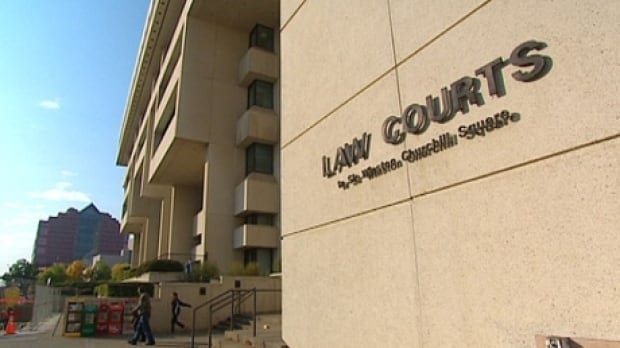
David Parker, the leader of the Centurion Project, was served legal papers on April 29 at an event in Edmonton, leading to a court order to remove the online tool the following day. Elections Alberta’s chief electoral officer has applied for a permanent injunction to destroy all copies of the leaked voter list, urging the deletion of any saved information and disclosure of individuals who accessed the data.
Amidst ongoing investigations by police and the privacy commissioner, concerns have been raised about the breach being one of the most significant privacy incidents in recent Canadian history. Legal experts hint at the potential for class-action lawsuits against those responsible for the data breach, highlighting the serious implications of compromised personal information. The situation has prompted prominent figures like former premier Jason Kenney and Edmonton City Councillor Aaron Paquette to advocate for legal action to protect individuals’ privacy rights.
The Centurion Project has defended its actions, likening the exposed data to a phone book. However, privacy advocates argue that the involuntary exposure of personal addresses poses a severe invasion of privacy, emphasizing the need for swift and decisive action to safeguard individuals’ sensitive information.