

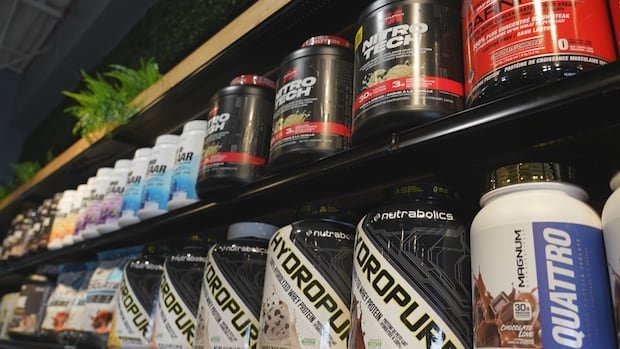

Jennifer Mason, a consumer looking to increase her protein intake, has been using whey protein powder as a dietary supplement for several years. However, the recent surge in prices has left her surprised and prompted her to reconsider her purchasing choices due to the financial strain of being a new parent.
Mason stated, “I’m scaling back and focusing on finding natural sources of protein in my diet rather than relying on protein products.”
The escalating demand for whey protein in various food products, including snacks and beverages, by food manufacturers and fast-food chains has led to shortages and unprecedented price hikes. Additionally, the ongoing trade tensions between the United States and Canada have further exacerbated the situation, potentially resulting in increased costs for consumers.
A growing trend of incorporating protein-rich foods into everyday products, from snacks like chips and Pop-Tarts to specialty items like protein popcorn endorsed by Khloé Kardashian, demonstrates the appeal to health-conscious individuals. This trend is also fueled by fitness influencers promoting a high-protein diet strategy known as protein-maxxing, especially among individuals taking weight-loss medications like Ozempic to prevent muscle loss.
The surge in demand for whey protein concentrate, a key ingredient in high-protein foods, has created challenges for smaller companies like Daryl’s Bars, based in Tecumseh, Ont. John Murray, the marketing manager, highlighted the struggle faced by smaller businesses in securing sufficient whey protein amid the dominance of major corporations in the market.
The reliance on U.S. imports for whey protein concentrate has become costlier due to a significant price increase over the past year and a half. The U.S. Dairy Export Council noted the soaring domestic demand for high-protein whey, leading to reduced availability for export and surging prices, with WPC80 prices escalating by 60% in 2025 and a further 76% rise by June 2026.
To cope with the mounting expenses, Daryl’s Bars and other businesses have been compelled to raise prices on their protein snacks, as absorbing the cost has become unsustainable. The limited availability of alternative sources within Canada poses a challenge for companies like Daryl’s Bars, emphasizing the impact of the trade dispute between the U.S. and Canada on the whey protein market.
The implementation of tariffs on American whey imports has intensified the pressure on Canadian food manufacturers, necessitating strategic adjustments to mitigate the financial strain. With limited processing capabilities in Canada and the intricate production process required to extract whey protein from cheese production byproducts, the industry faces significant challenges in meeting the escalating demand.
As prices continue to rise, consumers like Audrey Marcoux express willingness to bear the extra cost to maintain their routine, while others, like Nathan Bugiardini, contemplate reducing their consumption or seeking more affordable alternatives amidst the escalating costs. Plant-based protein alternatives and unprocessed whole foods are gaining traction among consumers seeking cost-effective options in response to the surging whey protein prices.