

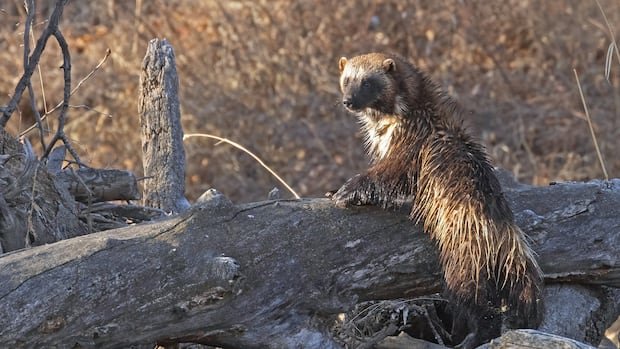

A recent study reveals that wolverines in backcountry areas are facing more significant impacts from skiers, snowshoers, and snowmobilers than previously realized. The research, conducted in the Columbia and Rocky Mountain ranges, including Banff National Park, indicates that regions with higher recreational activities and road presence have fewer wolverines inhabiting them.
While it was already known that wolverines tend to avoid human presence, the study suggests that the repercussions extend beyond mere avoidance of individuals on trails. Lead researcher Mirjam Barrueto from the University of Calgary, in collaboration with Parks Canada, examined wolverines across an 80,000 square-kilometer area renowned for its favorable habitat for these animals.
Initial estimates suggested the potential support for around 500 to 600 wolverines in the area, but the study results show that only about 300 wolverines currently reside there. Notably, the study highlights that winter activities have a more pronounced impact compared to summer activities due to the increased accessibility of the terrain during the winter season.
Barrueto expressed surprise at the extent of human penetration into what was perceived as remote wilderness in the backcountry. Female wolverines, especially vulnerable while raising their young, could be disturbed during the winter months, affecting their ability to care for their offspring.
The study also found a correlation between the decrease in female wolverine numbers and the rise in road infrastructure, with males showing no similar trend. Wildlife ecologist Jason Fisher emphasized the significance of these findings in predominantly undisturbed lands like the Rocky Mountains, emphasizing the urgent need for conservation efforts to protect wolverine populations.
The study underscores that even minimal human activity, rather than the sheer number of people, can diminish the wolverine population within an area. Barrueto advocates for restricting access to sensitive areas during critical winter months and promoting the use of established trails to minimize disturbances.
Aside from habitat protection, Fisher highlighted the importance of addressing other threats such as trapping, hunting, and vehicle collisions that contribute to wolverine mortality. Urgent actions are required to safeguard wolverine populations and ensure their long-term survival in these mountainous regions, where they have persisted for thousands of years despite various challenges.