


Amid a resurgence of office work, experts warn that a recent legal ruling in British Columbia could set a precedent for remote work policies, emphasizing the importance of careful implementation of return-to-office directives by employers.
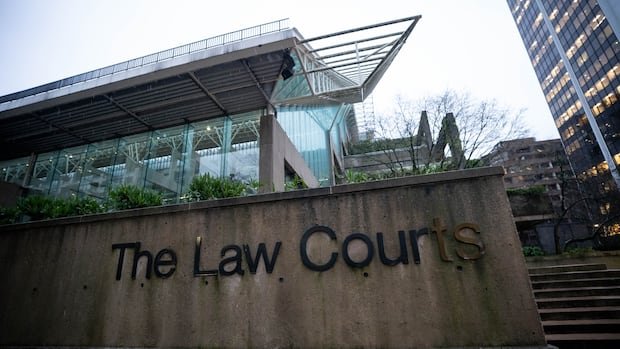
The B.C. Court of Appeal confirmed a decision that deemed an employee of a Vancouver real estate firm constructively dismissed when her long-standing remote work agreement was abruptly terminated, compelling her to return to the office full time. The Supreme Court of Canada defines constructive dismissal as unilateral, substantial changes to an employee’s contract without their consent, leading to their resignation.
The employee, Tracy Parolin, had enjoyed a flexible work schedule at Cressey Construction Corporation since her return from maternity leave in 2013, following the birth of twins, one with significant health needs. Starting in March 2020, Parolin worked remotely due to the pandemic. Despite other employees returning to the office, she continued working from home with approval from successive supervisors understanding her childcare requirements.
However, during a meeting to discuss a salary increase in May 2023, a new supervisor revoked her remote work arrangement and mandated full-time office return, prompting Parolin to resign shortly after. While Cressey argued against explicit terms in Parolin’s contract allowing full-time remote work, the trial judge ruled in her favor, citing the established nature of her flexible hours as a fundamental aspect of her employment, supported by the employer for years.
CBC News sought comment from Cressey Construction Corporation, now known as Cressey Development Group, without receiving a response. Parolin expressed relief at the court’s decision, emphasizing the importance of flexible work arrangements to balance personal and professional life, noting that it did not diminish her dedication to her role.
The push for a return to the office has posed challenges for parents, increasing commuting costs and childcare needs, according to human resources expert Allison Venditti. Legal experts anticipate a surge in cases related to remote work as more Canadians transition back to the office environment.
Employment lawyer Ryan Berger highlighted the significance of Parolin’s case in emphasizing the essential nature of remote work arrangements in employment terms. He advised caution in managing remote work transitions to prevent unintended consequences, noting potential implications for future legal disputes.
While the court ruling does not prohibit full-time office returns, it underscores the importance of clear communication and careful planning by employers, according to employment lawyer Sundeep Gokhale. Establishing workplace location as a fundamental term of employment is crucial, particularly in cases where remote work is temporary.
Vancouver-based lawyer Melanie Harmer suggested that employers who mandated remote work solely due to the pandemic may have a stronger legal standing when recalling employees to the office compared to situations where pre-pandemic flexible arrangements existed.
The case serves as a reminder for employers to navigate return-to-office transitions thoughtfully and transparently to avoid potential legal challenges and employee dissatisfaction.