

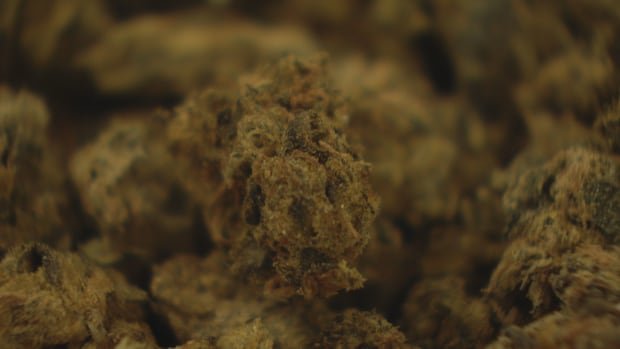

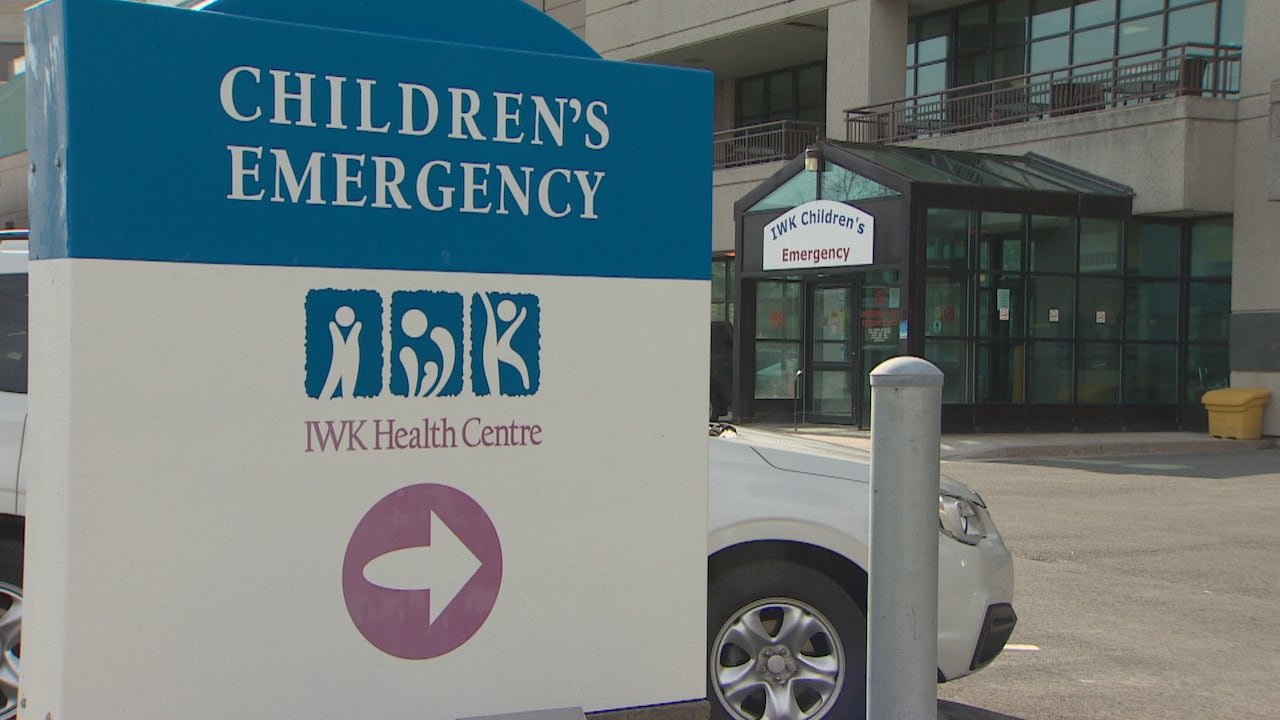
Healthcare providers at the IWK Health Centre in Halifax report an increase in young individuals presenting severe symptoms linked to potent cannabis, with lingering effects even after discontinuing use of the substance.
Dr. Kyle Godden, a psychiatrist at the IWK, highlighted that young people consuming high-potency cannabis products tend to exhibit more intense episodes and necessitate extended hospitalization.
Godden shared a case of a young male patient who exhibited extreme paranoia, agitation, and hallucinations upon admission to the hospital.
According to Godden, it was clear from the patient’s account that his use of high-potency cannabis products triggered these symptoms.
Following recovery, the patient disclosed to Godden his unawareness of the strength of the cannabis he had consumed.
He expressed concern for his peers who use highly concentrated vape or dab pens without recognizing the associated risks.
Godden remarked, “It deeply affected me that this young individual felt abandoned by society. He believed he should never have been in that predicament.”
Dr. Sabina Abidi, who heads the Youth Psychosis Clinic at the IWK, revealed on CBC Radio’s Information Morning Nova Scotia that the surge in cases aligns with a ten-year escalation in THC levels.
Abidi cautioned that the use of cannabis with THC concentrations exceeding 10% is directly linked to attention, motivation, and driving impairments, along with the potential onset of severe and enduring mental health conditions.

THC, the principal psychoactive component of cannabis, induces the drug’s characteristic effects. Health Canada warns that concentrations exceeding 20% significantly elevate the risk of enduring mental health consequences and adverse effects.
Abidi noted that some products legally accessible through the NSLC contain THC concentrations ranging from 20 to 30%, surpassing previous levels.
Abidi is conducting a study on hospital cases, with initial data indicating a significant upward trajectory. Alarmed by the findings, Abidi and her team decided to raise awareness promptly.
For youth with a familial history of schizophrenia or psychosis, high-THC cannabis may serve as a trigger for psychological symptoms.
“In the past month, I’ve encountered five cases of individuals displaying psychotic symptoms directly linked to high-potency cannabis use,” Abidi stated.
“This figure is double what we would have seen five years ago.”
Abidi expressed concerns about THC concentrations potentially reaching 90%, fearing a scenario akin to the “nicotine story of the ’60s,” and advised parents to comprehend the risks and engage in open conversations with their children.
Both Abidi and Godden highlighted this issue as a significant public health concern, urging governmental