

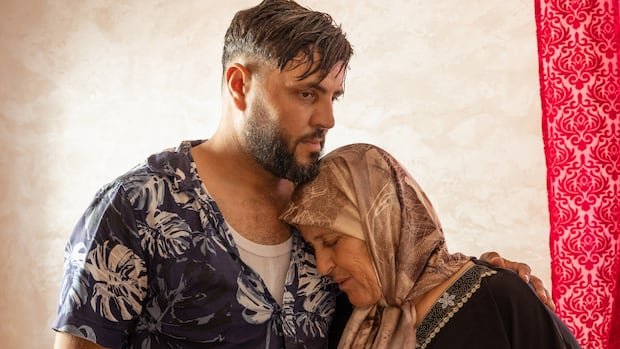

Jamila Afelom recounted the heartbreaking moment she identified her daughter, Fatin Ben Homar Azizi’s body solely by a necklace she had gifted her before she departed. Afelom discovered Fatin’s body in a hospital a day and a half after Fatin attempted to swim from Morocco to the Spanish enclave of Ceuta.
Describing her daughter as bold, determined, and somewhat boyish, Afelom shared that Fatin, aged 26, had a passion for soccer and often skipped school to play football. Fatin, a player at Moghreb Atletico Tanger in Morocco’s top-tier league, was remembered fondly by her coach, Adel El Kaab, who considered her like a younger sister.
Despite El Kaab’s warnings about the risks of irregular migration, many of his players, including Fatin, sought a better future in Europe. Fatin’s family, struggling with economic hardships, joined the search for her after she went missing during the surge of migrants trying to enter Ceuta. Tragically, Fatin’s body was found in a hospital in Fnideq.
The Moroccan human rights organization AMDH reported at least 141 deaths in the attempt to reach Ceuta at the end of July, with numerous bodies still unidentified. Fatin was laid to rest in the cemetery where she and her mother worked together, embodying her dream of escaping poverty.
Reflecting on the challenges faced by young Moroccans, El Kaab emphasized the allure of migration as an escape from difficult circumstances. With youth unemployment at around 36%, many are driven by dreams of improving their financial situations. Afelom, grieving for Fatin while worrying about her surviving children in Ceuta, shared her daughter’s unfulfilled aspiration to lift her family out of poverty.
As Spain grapples with the presence of 2,500 minors in Ceuta, Afelom’s anguish is compounded by the uncertainty surrounding her daughter who survived the crossing. Despite the heartache, Afelom hopes to honor Fatin’s memory and her aspirations for a better life that were tragically cut short.