

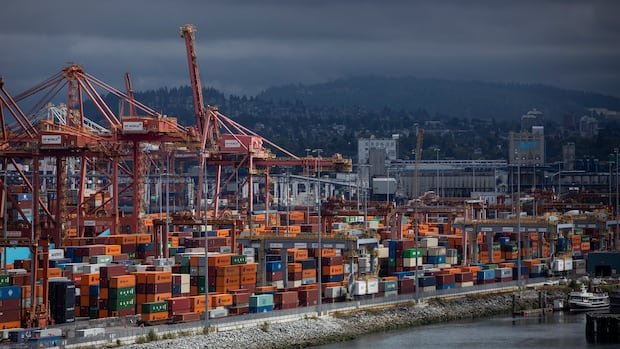

Chemicals utilized in the production of fentanyl are entering the Port of Vancouver destined for drug facilities operated by Mexican cartels within Canada, as stated by the head of the U.S. Drug Enforcement Administration during a hearing in Washington, D.C. The DEA administrator, Terrance Cole, highlighted the awareness of fentanyl production in Canada for export across the border, emphasizing recent significant drug seizures in the country. Cole addressed a U.S. Senate appropriations committee, discussing the annual budget requests of various federal law enforcement agencies, including the DEA and FBI.
In response to a query from Republican Senator Deb Fischer regarding shifts in the drug trade, Cole briefly mentioned fentanyl trafficking from Mexico before shifting focus to Canada. He emphasized the need for vigilance along the northern border, noting an increase in precursor substances entering the Port of Vancouver and being transported to various locations across Canada for fentanyl manufacturing in collaboration with Mexican cartels.
Regarding fentanyl trafficking, President Donald Trump has expressed concerns, leading to the imposition of tariffs on Canadian goods. Despite evidence suggesting a minimal contribution of fentanyl from Canada to the U.S., the issue has persisted, prompting promises from Ottawa to tackle cross-border drug trafficking.
The DEA’s current presence in Canada includes offices at the U.S. Embassy in Ottawa and the U.S. Consulate in Vancouver, with plans to open two additional offices in 2027. During the 2025 fiscal year, authorities seized 77 pounds of fentanyl along the northern border, significantly less than the amount seized at the border with Mexico.
Recent statistics reveal a widening gap in fentanyl seizures along the northern and southern borders of the U.S., with minimal amounts intercepted along the Canadian border compared to the Mexican border. In response to Cole’s remarks, the Vancouver Fraser Port Authority emphasized collaborative efforts with law enforcement agencies to ensure secure trade operations at the port.
Canadian officials have reiterated the country’s commitment to strengthening border security, emphasizing that Canada is not a major source of fentanyl. Despite efforts to address cross-border drug issues, tensions with the U.S. persist, as evidenced by the imposition of tariffs and subsequent legal challenges.
The federal government of Canada has implemented measures to combat illicit drug production, including increased law enforcement activities and the appointment of a fentanyl czar. However, challenges remain in addressing the flow of drugs across the northern border, leading to ongoing discussions and efforts to enhance border security and address transnational drug trafficking concerns.