

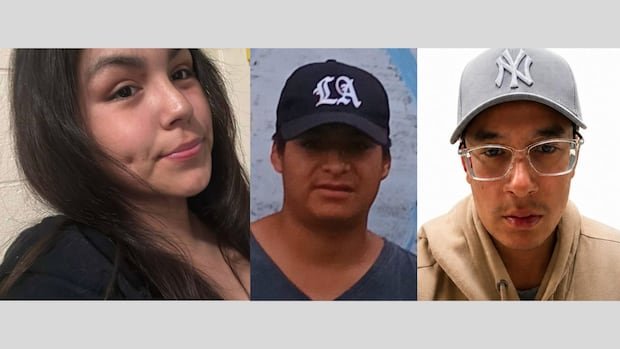

Tensions are escalating between First Nation leaders and law enforcement in Thunder Bay, Ontario, following a series of prominent missing persons cases in the city. Indigenous leaders are expressing concerns that the contributions of searchers from their communities are being overlooked, and there have been multiple breakdowns in communication with the police. Concurrently, the local police chief has cautioned against the dissemination of “inaccurate or incomplete information” regarding the recent incidents.
The initial case involved Ashlynn Bottle, 23, and Nodin Skunk, 25, from the Mishkeegogamang First Nation, last seen together at the old Pool 8 grain elevator on Syndicate Avenue South. While authorities declared on May 11 that they had exhaustively combed the location and were certain Bottle and Skunk were not present, a group of Indigenous searchers claimed to have discovered their bodies there a few days later.
On May 15, the Thunder Bay Police Service (TBPS) stated that Bottle and Skunk were “no longer the subject of a missing persons inquiry,” without confirming their demise. The late Bottle and Skunk were honored with funeral services in Thunder Bay this week.
Subsequently, the TBPS announced on Monday that the search for Kelsey Anderson, 36, had concluded, now being treated as a private family matter. A ceremonial fire was ignited in the city in memory of Anderson, a Webequie First Nation member with ties to Kasabonika Lake First Nation and Nibinamik First Nation.
Grand Chief Alvin Fiddler of the Nishnawbe Aski Nation underscored the necessity for a dedicated Indigenous-led search initiative in Thunder Bay, emphasizing the vital role Indigenous searchers have played in closing numerous cases. Fiddler highlighted instances where Indigenous searchers contradicted police assertions by locating remains that had eluded law enforcement.
In a separate incident, an Indigenous searcher looking for Anderson stumbled upon the remains of Richard Graham, a 42-year-old man reported missing in Thunder Bay in 2024. The TBPS subsequently confirmed Graham’s decease, deeming it a private matter and declining to disclose further details on both cases.
The MPP for Kiiwetinoong, Sol Mamakwa, called attention to the critical situation in Thunder Bay, stressing the urgency to address the ongoing crisis of missing persons. Mamakwa advocated for collective action to prevent additional families from enduring similar ordeals.
TBPS Chief Darcy Fleury issued a rebuttal to Fiddler’s assertions, emphasizing the police force’s commitment to locating missing individuals and assisting families. Fleury acknowledged the contributions of Indigenous searchers and community members in recent investigations but refuted claims of mismanagement made by Mamakwa.
Additionally, Fleury highlighted systemic issues such as inadequate social supports, housing, addiction, and mental health services as the underlying factors placing vulnerable individuals at risk. He called for collaborative efforts with community partners to address these root causes effectively.
The pending release of a provincial report on the TBPS’s handling of missing persons cases and ongoing evaluations by the Ontario Inspector General of Policing add to the complexity of the situation. Fiddler aims to engage with NAN leadership to establish a comprehensive search system for Thunder Bay and the surrounding area.
The need for recognition of the unique skills and capabilities of Indigenous searchers, as well as the importance of addressing communication breakdowns and fostering trust between law enforcement and Indigenous communities, remains paramount in resolving the crisis in Thunder Bay.