


Statistics Canada has recently confirmed a well-known fact: millennials today are more inclined to live with their parents and less likely to be homeowners compared to baby boomers at a similar age. The reasons behind this trend are multifaceted, with housing affordability deterioration and delays in family formation playing significant roles, according to researchers at StatsCan. The report highlighted the substantial real increases in housing prices and rents between 1991 and 2021.
Interestingly, despite these changes, rates of home ownership among married millennials aged 25 to 39 and married baby boomers at the same age have remained relatively stable. In 1991, 78% of married baby boomers with children in that age bracket owned homes, and this percentage remained the same in 2021 for married millennials in a similar situation. However, the contrast lies in the marriage rates, with only 35% of millennials being married in 2021 compared to 58% of baby boomers in 1991 and 44% of Gen-Xers in 2006.
Alison Webb, 36, noted a similar pattern among her peers, expressing a shift in perspectives towards marriage and homeownership. She emphasized that many individuals opt for singlehood to enjoy the freedom and happiness it brings, contrary to previous generations.
Another significant trend among millennials is the declining likelihood of having children, particularly notable in Metro Vancouver. Webb, a resident of Vancouver living independently, shared her experience, highlighting the disparity between her teenage aspirations and current reality of renting a one-bedroom apartment due to soaring housing costs.
Paul Kershaw, a professor at the University of British Columbia, emphasized the financial challenges faced by millennials and younger generations. He pointed out that factors such as increased post-secondary education costs, lower job salaries, and higher housing prices have led many millennials to either rent or live with their parents for more extended periods.
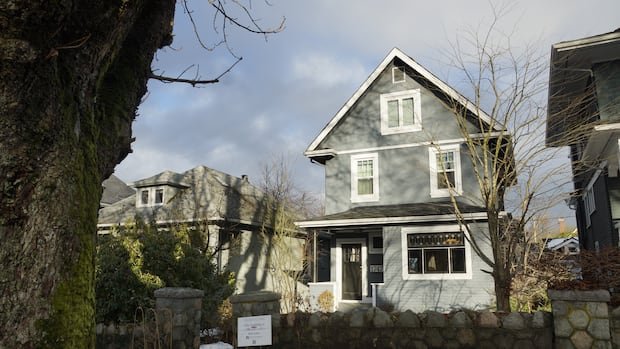
The housing landscape for young adults has evolved over the years, especially in Vancouver, where ownership of single detached houses among adults aged 25 to 39 decreased significantly from 36% in 1991 to 12% in 2021. Kershaw suggested that reallocating funds from old age security toward initiatives like rent subsidies or subsidized child-care spaces could alleviate some of the burdens on younger generations.
Despite the unexpected turn of events, Webb remains focused on embracing the present moment, finding poetry and beauty in her life without conforming to traditional societal norms of homeownership and family life.