

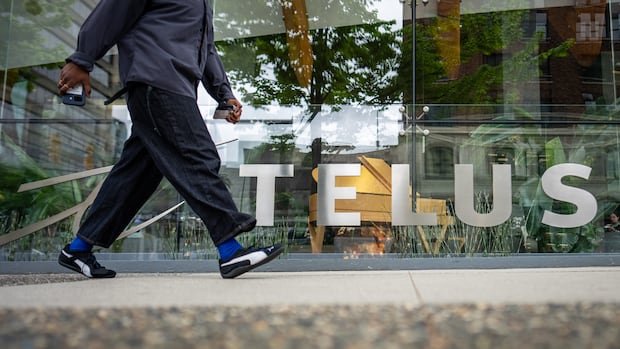

Concerns are rising among some call centre employees at a prominent Canadian telecommunications company due to the increasing integration of artificial intelligence (AI) in their workplace.
An employee at Telus in British Columbia expressed apprehension about using an AI “co-pilot” during phone calls, part of Telus’s internal AI tools, fearing that this technology could ultimately lead to job displacement.
Worries about job security and the potential replacement of human agents with AI systems have been voiced by employees, including concerns about the requirement to use the AI co-pilot on all retention calls.
When the AI co-pilot provides inaccurate information, human agents are expected to provide feedback to facilitate the training of the system for future interactions.
Employees at Telus, represented by Local Steelworkers 1944, have expressed insecurities about their jobs due to the growing presence of AI co-pilots in their work environment.
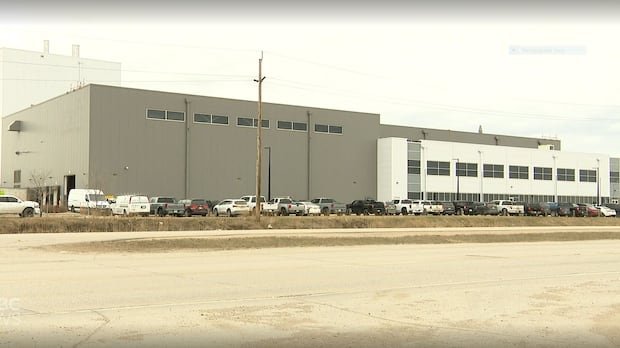
Bell Canada is establishing an artificial intelligence data centre outside Winnipeg, Manitoba.
The Canadian Telecommunications Workers’ Alliance has raised AI-related concerns at the House of Commons, advocating for government regulations to address AI’s impact in the industry.
Industry experts have highlighted the use of AI for monitoring and task tracking in the telecom sector, leading to job losses attributed to automation and offshoring.
While Telus emphasizes that its AI tools are designed to assist human agents rather than replace them, employees remain uneasy about the potential long-term implications of AI integration.
Recent developments in the tech industry, such as Meta’s tracking software for employee activities, indicate a broader trend towards AI-driven automation in the workplace.
As the debate on the future of AI in job roles continues, Telus employees express frustration, anger, and anxiety over the encroachment of AI in their daily tasks.

Complaints about telecom services in Canada have increased, with billing concerns being a prominent issue.</span