

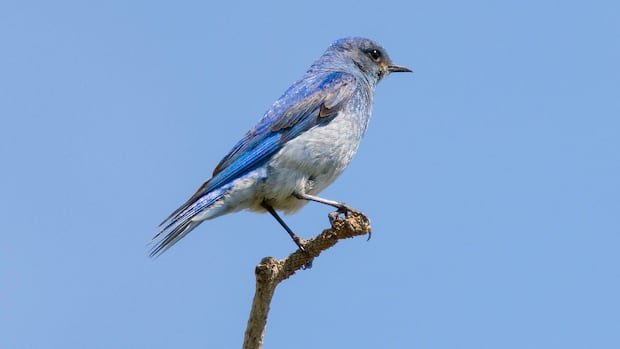

Despite its name, mountain bluebirds are not limited to mountains but can also be found in the Canadian Prairies.
Recognizable for their vivid blue feathers, these birds are a common sight for many residents of Alberta. However, the challenges they have encountered over time have raised concerns among conservationists.
As per research from The State of Canada’s Birds, a collaborative effort by Birds Canada and Environment and Climate Change Canada, the population of mountain bluebirds in Canada has decreased by 60% since 1970.
Approximately 650,000 mountain bluebirds currently inhabit Canada, representing around 12% of the species’ total population in North America, marking the lowest count on record.
Data gathered through citizen science programs and professional studies indicates that the mountain bluebird population in the Canadian Prairies surged rapidly from the early 1980s to the mid-1990s but has been on a significant decline since then.
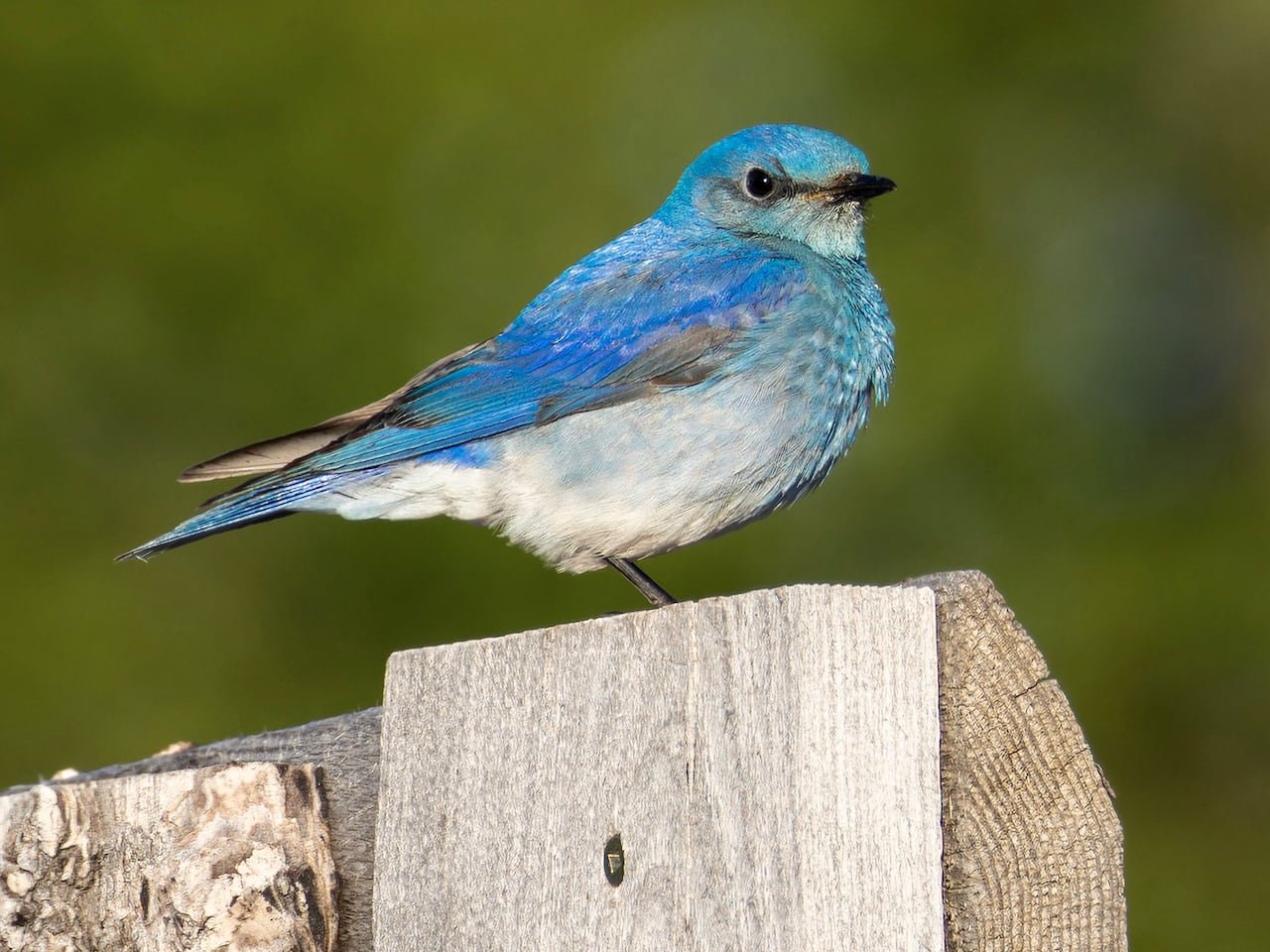
Jody Allair from Birds Canada mentioned that while the precise causes behind the decline in mountain bluebird numbers remain unclear, potential factors could include climate change, habitat destruction, and a reduction in insect populations — which serve as the bird’s primary food source — due to pesticide and herbicide use.
“The decline has been consistent, especially since the early 2000s, showing a continuous drop,” he stated.
This decline prompted the Badlands Trail Society in Alberta to initiate efforts for the conservation of mountain bluebirds.
The society has set up 48 nest boxes for bluebirds within the Drumheller Valley and its vicinity.
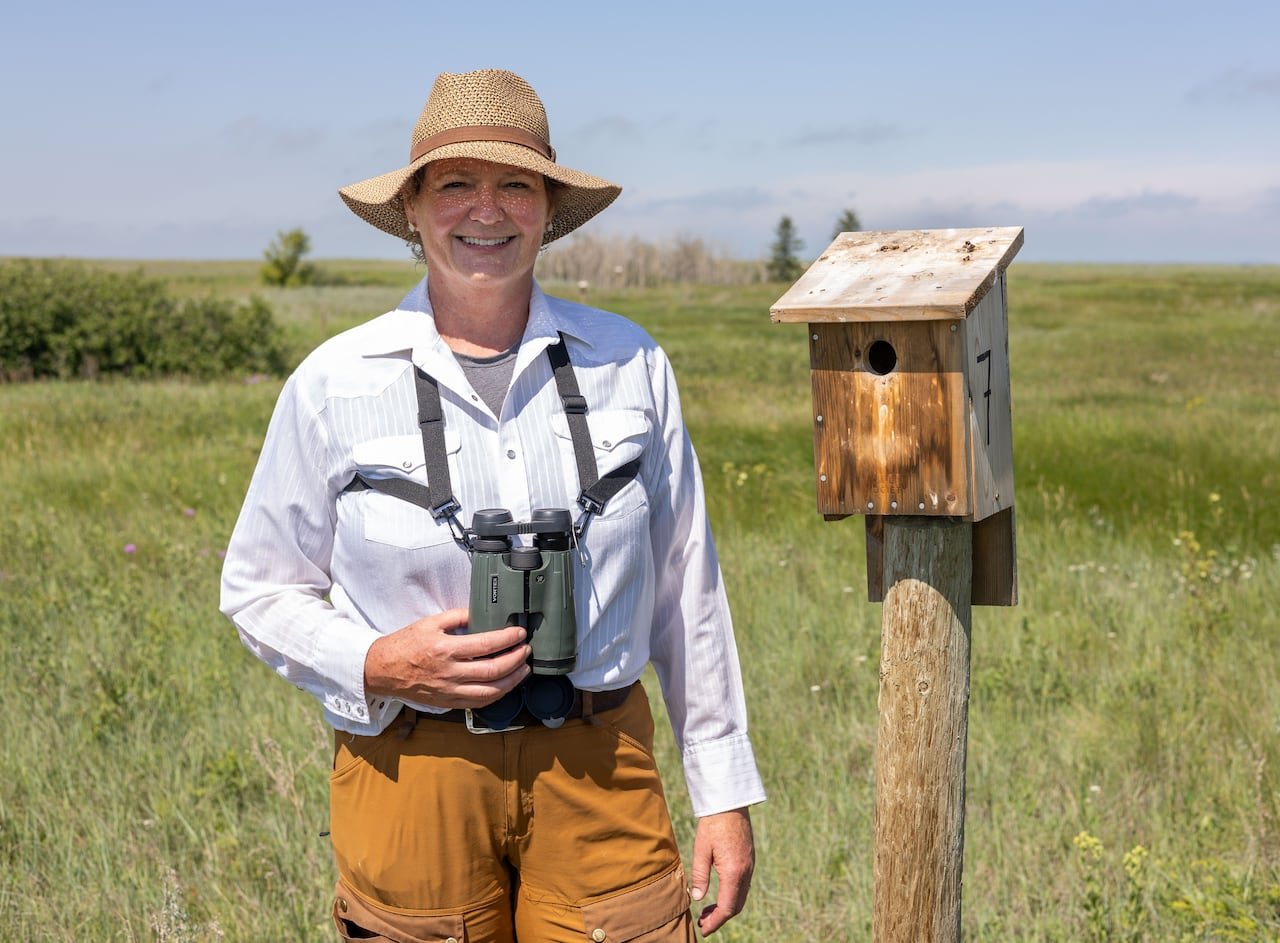
Cheryl Taylor, one of the founders, mentioned that these boxes are aimed at providing some assistance to the bluebirds.
“Mountain bluebirds have been part of the Drumheller Valley area for as long as I can remember,” she remarked.
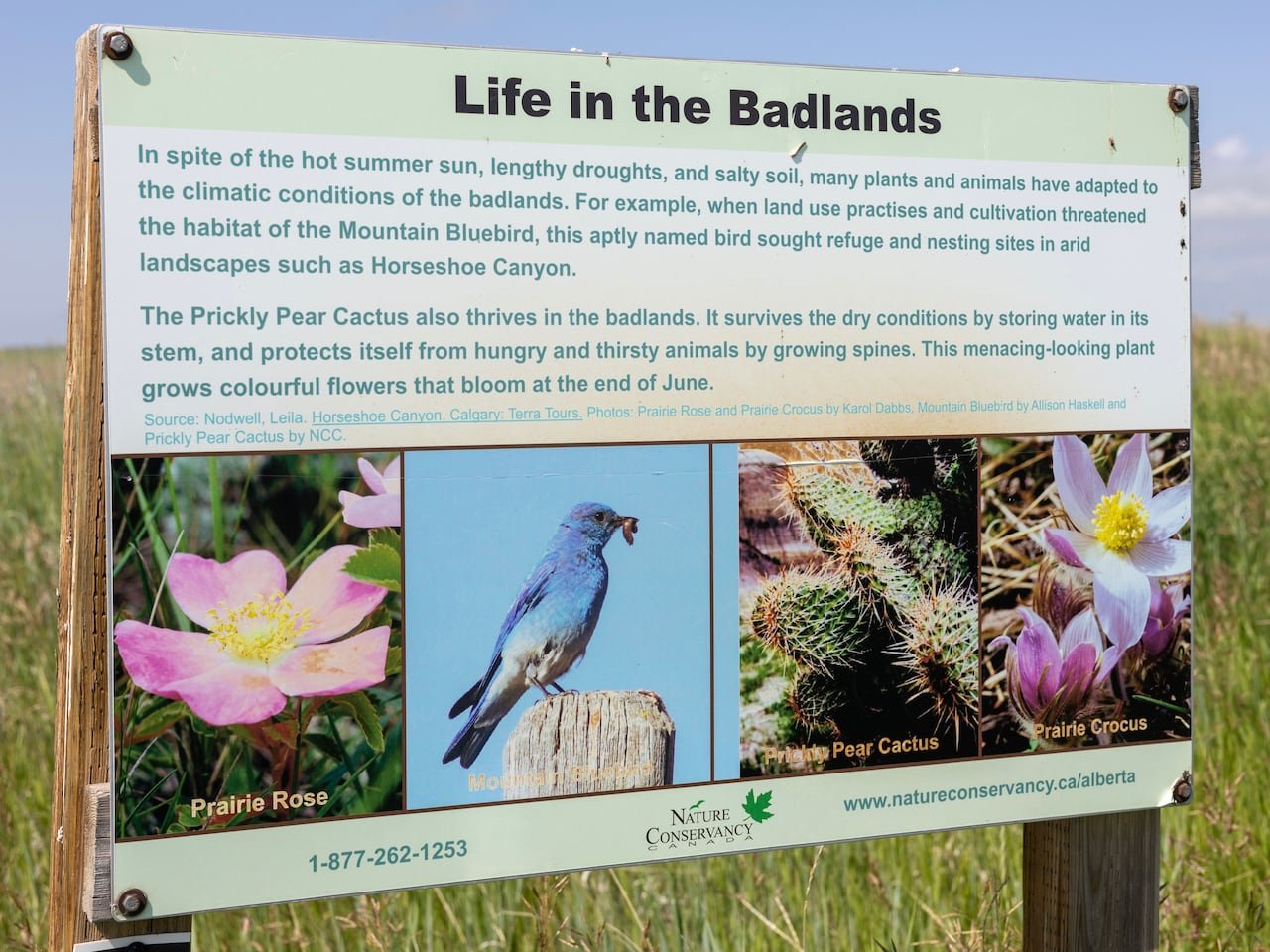
With the assistance of fellow society member and long-time bluebird conservationist Claude Rioux, the nest box project operates on the Nature Conservancy of Canada property west of Drumheller.
Given its favorable prairie setting, abundant food supply, and minimal human development, the land is considered “an ideal location” for bluebirds.
Taylor highlighted that the society supports the species not only by aiding the birds in safely raising their offspring in areas where natural nesting spots are scarce, but also by raising awareness.
<