

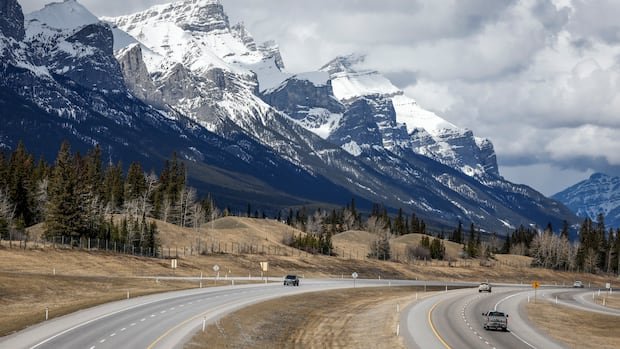

A remarkable absence of snow in the western U.S. is sparking worries about potential water shortages and increased wildfire risks in the coming summer months. Recent findings from a Canadian research study indicate that this situation might indicate a longer-lasting pattern posing a threat to water resources for numerous individuals nationwide.
Snow levels in the western U.S. are currently significantly lower than usual for this time of year, marking the lowest recorded levels since NASA’s Terra satellite monitoring commenced in 2001. Scientists at Concordia University in Montreal have observed a decrease in snowfall and water content in parts of western Canada from 2000 to 2019, potentially attributed to a warming climate.
While the impacted areas make up only a small portion of the country, they have a substantial influence on the headwaters of key rivers in the Canadian Rockies. The study reveals that 14 out of 25 major drainage basins in Canada are experiencing adverse effects due to declining snow cover.
The diminishing snowpack has far-reaching implications, affecting various sectors such as municipal water systems, agriculture, lake water levels, shipping, and the wildfire risk in Canada’s forests. Snowpack, particularly in mountainous regions, acts as a natural water reservoir, storing water and releasing it when needed most, primarily during the summer months for agricultural purposes.
The ongoing low snow conditions are disrupting the ski season at major resorts in the region, leading to operational pauses or reductions due to insufficient snowfall and warmer temperatures. Vail Resorts, a prominent ski slope owner in Canada and the U.S., has reported one of the poorest early-season snowfalls at its western U.S. locations. Vancouver is encountering its first snow-free winter in over four decades.
The lack of snow is not solely related to reduced precipitation but also to a shift from snow to rain, termed a “wet snow drought” by experts. This change can be associated with a warming climate, resulting in rain instead of snow during winter months. The absence of snow cover in mountains diminishes water storage capacity, potentially impacting water availability for various ecosystems and human needs.
Researchers are concerned that the current snow trends impacting the Canadian Rockies may extend southwards to the western U.S. mountains. They have devised a new metric called “snow water availability” to gauge the water content in the snowpack accurately. Watersheds like the Okanagan in B.C., the Assiniboine-Red River basin in Manitoba, and the Saskatchewan River basin are particularly affected by declining snow water, potentially leading to reduced river flows and water availability for millions.
Historical data shows that reduced snow cover has previously impacted water security, leading to severe droughts and water level fluctuations. Experts emphasize the necessity of studying these impacts to prepare for future water scarcity challenges and the need for revised water management strategies to adapt to changing conditions.