


With southwestern Ontario experiencing a prolonged deep freeze and facing a road salt shortage, there is a growing emphasis on exploring alternative methods for melting road ice. Researchers at Western University have initiated a study in 2022 to investigate this issue, with plans to unveil their findings later this summer.
The study is centered on evaluating the effectiveness of nine different substances in melting road ice across various conditions. Christopher Power, an associate professor involved in the research, highlighted that the widespread use of sodium chloride (rock salt) by Ontario municipalities is primarily due to its cost efficiency.
Environmental Impact of Salt Usage
While rock salt effectively clears ice from roads by lowering water’s freezing point, it comes with known drawbacks. Its corrosive nature can accelerate the deterioration of metal structures near roadways, including vehicles, bridges, and guardrails. Additionally, the excessive salt runoff into water bodies poses a significant environmental threat, leading to the salinization of the Great Lakes.
Power expressed concerns about the diminishing efficacy of rock salt below -10°C. Among the alternative ice-melting substances being studied by Western University, some like sodium acetate and beet juice are already in use for de-icing purposes.
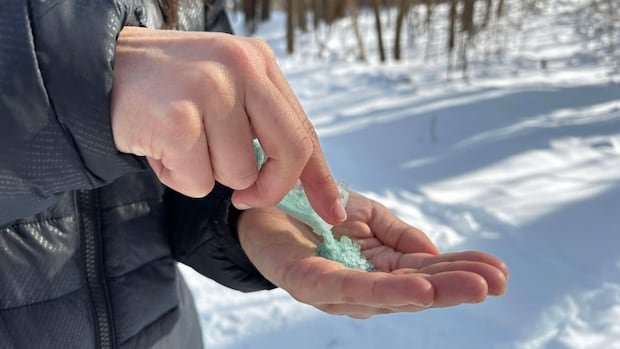
The study involved conducting practical tests on Western University’s campus, where different substances were employed by the grounds crew to clear ice. Although the research phase has concluded, researchers are now focused on analyzing the data, including the melting efficiency and corrosiveness of each substance.
Power stated that while no definitive frontrunner among the sodium chloride alternatives has emerged, economic factors are likely to influence widespread adoption. He proposed supplementing rock salt with less corrosive substances in specific areas, such as near water bodies or bridges.
Amidst the current road salt shortage, the City of London is diversifying its de-icing methods by incorporating alternative substances into its mix. Joel Gillard, London’s division manager of road operations, mentioned plans to increase plowing frequency while reducing salt usage during extreme cold spells.