

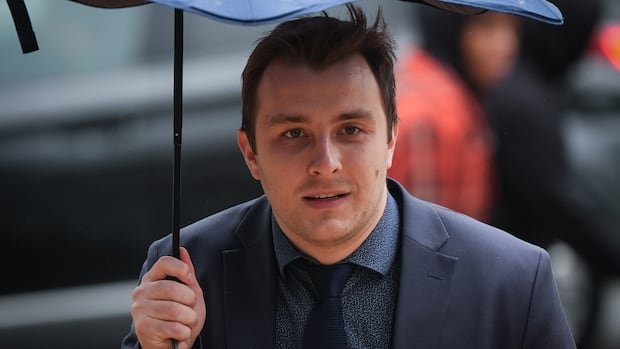

In a recent court testimony, a co-founder of Vancouver’s Drug User Liberation Front (DULF) expressed surprise at Health Canada’s lack of urgency in addressing the deadly toxic drug crisis. Due to the absence of a pharmaceutical-grade supplier, the club resorted to obtaining pure substances from the dark web.
Jeremy Kalicum, a public health researcher, shared details during a constitutional challenge to Canada’s drug laws in B.C. Supreme Court. He mentioned that the club initially proposed two operational models to Health Canada, with the preferred choice being to access pharmaceutical-grade heroin, cocaine, and methamphetamine.
Despite their efforts, Kalicum explained that the current regulatory framework hindered their ability to secure a pharmaceutical supplier. Consequently, DULF sought alternatives to operate a drug “compassion club,” aiming to test illicit drugs and provide high-purity substances to club members to reduce the risk of overdoses.
Facing limitations in obtaining a licensed supplier, Kalicum revealed that the club considered sourcing drugs from the dark web. He criticized Health Canada for not prioritizing public health proposals during a critical public health crisis in British Columbia.
The court also learned that the club founders, initially feeling empowered, hoped that media coverage of their activities would stimulate public discourse. However, Kalicum admitted that the resulting publicity ultimately led to their arrests.
Despite receiving funding from the Vancouver Coastal Health authority for drug testing, drugs acquired from the dark web were funded through donations and distributed to club members at cost. Kalicum acknowledged the risks associated with media visibility, emphasizing the need for caution in their interactions with journalists.
The compassion club operated between August 2022 and October 2023, with annual funding of $200,000 from the health authority for drug checking and overdose prevention. Beyond these services, DULF went further by purchasing and testing drugs to prevent overdoses among its members.
Although the co-founders were recently convicted of drug possession for the purpose of trafficking, their conviction is pending resolution of the constitutional challenge. Kalicum attributed their arrests to increased media attention and expressed feeling abandoned by various institutions.