


U.S. President Donald Trump announced on Monday that a trade agreement has been reached with India. The deal involves a reduction in U.S. tariffs on Indian products from 50% to 18%, in exchange for India easing trade barriers, halting purchases of Russian oil, and considering oil imports from the U.S. and potentially Venezuela. Trump, following a conversation with Indian Prime Minister Narendra Modi, stated that the trade deal would immediately lower the Reciprocal Tariff from 25% to 18%.
A White House official revealed that the U.S. is lifting a 25% duty on all imports from India related to Russian oil purchases, in addition to the existing reciprocal tariff rate. Modi pledged to purchase over $500 billion worth of U.S. energy, technology, agricultural, and other goods.
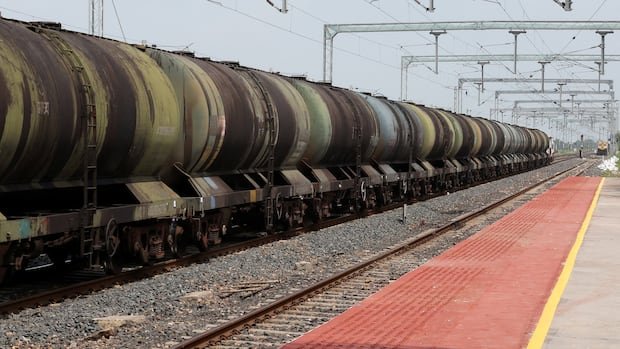
India heavily relies on oil imports, with approximately 90% of its requirements being met through imports. The country has started to reduce its purchases from Russia, with projections indicating a decline in the coming months. Indian markets have been impacted negatively by the tariffs imposed by Washington, resulting in significant outflows of foreign investors.
Major Indian companies listed in the U.S. experienced stock rallies following the trade deal announcement. Infosys, Wipro, HDFC Bank, and the iShares MSCI India exchange-traded fund saw notable increases in their share prices. Prime Minister Mark Carney is set to visit India soon, as both countries aim to enhance economic ties amidst global trade challenges.
The trade negotiations mark a significant development in the relationship between the U.S. and India, the world’s largest democracies. Earlier disputes over Russian oil purchases led to tariff escalations, with Trump hinting at potential sanctions if the issue persisted. The possibility of India considering Venezuelan oil as an alternative to Russian imports has emerged as part of the ongoing trade discussions.