

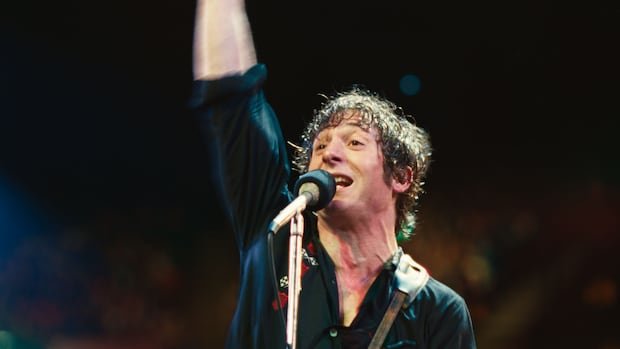

Bruce Springsteen experienced a period of melancholy while creating his 1982 album, “Nebraska.” This emotional journey is at the heart of “Springsteen: Deliver Me From Nowhere,” a deep dive into the making of the album and its impact on Springsteen’s life.
The film focuses on the intimate process of writing and recording “Nebraska,” shedding light on how it shaped Springsteen’s perspective. Rather than following a traditional narrative arc, the movie delves into the complexities of the artist’s emotional landscape during that time.
Through poignant scenes depicting Springsteen’s relationships and inner struggles, the film explores his evolving identity as an artist. As he navigates the highs of his career and the pressures of fame, we witness the profound impact of his past experiences on his present state of mind.
The dynamics between Springsteen and key figures in his life, such as his manager Jon Landau, offer insight into the challenges he faced behind the scenes. Despite his outward charisma, Springsteen grapples with internal turmoil and the weight of expectations as he strives for success.
The film also delves into Springsteen’s upbringing, highlighting the influences of his mother and the complexities of his relationship with his father. These formative experiences shape his artistry and contribute to the emotional depth of his music.
While “Deliver Me From Nowhere” provides glimpses into Springsteen’s personal struggles and creative process, it sometimes falls short in delivering a cohesive narrative. The film oscillates between moments of introspection and surface-level observations, leaving viewers with fragmented insights into Springsteen’s psyche.
Ultimately, the film raises questions about the balance between authenticity and storytelling in biographical works. As it navigates Springsteen’s journey through fame and self-discovery, “Deliver Me From Nowhere” grapples with the complexities of capturing a multifaceted artist’s essence on screen.