


Fu De Ren, the owner of a property damaged by fire, has been embroiled in legal battles defending himself against accusations of neglect. Ren sought to reduce his property’s assessed value from $19 million to $10 million, but his arguments were challenged by the assessment appeals board. The board found Ren’s claims to be based on fictitious case law, potentially generated by artificial intelligence (AI) “hallucinations.” Consequently, Ren may be held accountable for the additional time and resources spent by the authorities to investigate his claims.
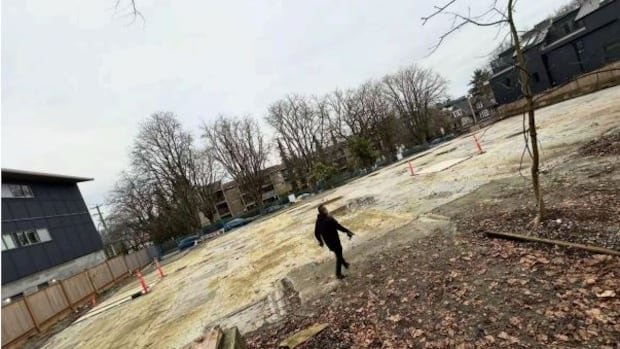
Ren’s conflict with B.C. Assessment stems from a fire incident that occurred over two years ago, rendering his East Vancouver apartment building uninhabitable. Subsequent events, including another fire leading to demolition orders, have exacerbated Ren’s disputes with tenants, bylaw officials, and the city regarding his alleged property neglect.
Ren’s submissions to the property assessment appeal board have highlighted a broader issue of fictitious citations being used in legal proceedings, attributed to AI-generated content. Instances of judges calling out such falsified references have been observed across various courts and tribunals in British Columbia.
The assessment board ultimately reduced Ren’s property assessment by $900,000, emphasizing the importance of assessing a property’s highest and best use, which, in Ren’s case, aligns with a high-density residential tower. While acknowledging the potential AI hallucinations in Ren’s arguments, the board highlighted the significance of attention to detail in legal submissions to prevent misinformation.
The rise of AI-generated content in legal proceedings has prompted regulatory responses, such as the introduction of a participant code of conduct by the Property Assessment Appeal Board. Instances of non-existent case law citations have led to warnings and repercussions for individuals, both represented and self-represented, emphasizing the need for diligence in legal submissions to avoid potential miscarriages of justice.
Decision-makers, including tribunal administrators like Eric Regehr, have grappled with the implications of AI-generated legal arguments, stressing the importance of transparency and accuracy in submissions. The evolving landscape of legal technology calls for a balance between utilizing AI tools for legal research and maintaining the integrity of legal proceedings.
Despite the challenges posed by AI-generated content, Ren maintained that his appeal was made in good faith, citing clear facts, legal precedent, and international professional standards to justify his position. As Ren awaits further deliberation on his case, the incident underscores the complexities and consequences of incorporating AI in legal proceedings.