

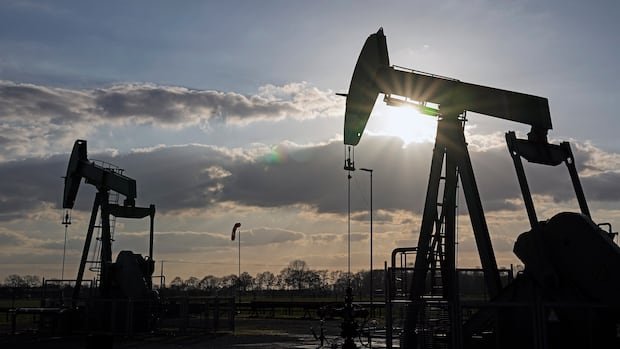

U.S. stock markets are showing volatility on Wednesday as oil prices resume an upward trend. The S&P 500 experienced a slight decrease of 0.1%, following a period of erratic movements caused by the ongoing U.S.-Israeli conflict with Iran. At 1:02 p.m. ET, the Dow Jones Industrial Average was down by 0.7%, or 316 points, while the Nasdaq composite saw a 0.1% increase.
Since the commencement of the conflict on February 28, oil prices have been a significant factor driving fluctuation in global financial markets, leading to rapid shifts in value. This week, oil prices surged to their highest levels since 2022 due to concerns about potential disruptions in Middle Eastern production, raising fears of significant inflationary pressures on the global economy.
The International Energy Agency (IEA) announced plans on Wednesday for its member nations to release a historic amount of oil, totaling 400 million barrels, from emergency reserves. While this move may temporarily alleviate the pressure on oil prices, a full restoration of oil and gas supply from the Persian Gulf region is crucial for a sustainable market stabilization.
According to Naveen Das, an energy analyst at Kpler in London, the resumption of oil flow will likely lead to a calming effect on prices by easing market sentiment and increasing oil availability. However, Das cautioned that the released reserves may not fully compensate for the lost volumes in the current crisis.
The price of Brent crude, the global benchmark, rose by three percent to $90.42 per barrel, while U.S. crude gained 1.5% to reach $84.73 per barrel. Concerns are primarily focused on the vital Strait of Hormuz, a key passage for global oil transportation, where a significant portion of the world’s oil shipments pass through daily.
Germany, Austria, and Japan have announced plans to release portions of their oil reserves in response to the IEA’s call for collective action. The ongoing conflict has disrupted oil traffic through the Strait of Hormuz, leading to storage capacity challenges and production cuts by oil producers in the region.
As tensions persist, market analysts emphasize the importance of ensuring the uninterrupted flow of crude oil through alternative routes to stabilize prices. The potential for prolonged disruptions in oil supply poses a significant risk of further price escalation if the conflict continues.
Amidst the uncertainty, concerns linger about the impact of sustained high oil prices on global markets, potentially leading to a worst-case scenario of “stagflation,” characterized by stagnant growth and persistent inflation. Rising consumer costs, particularly in essential sectors like groceries and fuel, are already straining household budgets, prompting concerns about economic stability.
A recent report highlighted a 2.4% year-over-year increase in consumer prices, reflecting the ongoing inflationary pressures. While this figure aligns with expectations, the spike in gasoline prices due to the conflict remains a key concern. The market response to heightened oil prices has also influenced forecasts regarding potential interest rate cuts by the U.S. Federal Reserve, with implications for both economic growth and inflation dynamics.