


Twenty years ago, an agreement was made to construct a pipeline from Alberta’s oilsands to the northern coast of British Columbia. The project, known as the Gateway Pipeline, aimed to transport up to 400,000 barrels of crude oil per day over 1,160 kilometers through rugged terrain to a terminal in Kitimat or Prince Rupert. Enbridge and PetroChina signed a memorandum of understanding in 2005 to initiate this plan, with PetroChina seeking half of the pipeline’s capacity while Enbridge aimed for regulatory approval by 2006 and oil flowing by 2009 or 2010.
However, in July 2007, PetroChina withdrew its support, leading to a series of setbacks for the project, later renamed Northern Gateway. Despite this, Enbridge continued to pursue the pipeline. The ensuing decade saw a contentious national debate involving economic, environmental, and legal issues, including protests, oil spills, court rulings, and political shifts, attracting international attention.
As a new memorandum of understanding is signed between Ottawa and the Government of Alberta for a revised pipeline project through British Columbia, memories of the Northern Gateway proposal’s challenges resurface. The saga officially began in 2009 with regulatory terms set by the National Energy Board and Canadian Environmental Assessment Agency, followed by Enbridge’s project application in 2010 and subsequent public hearings.
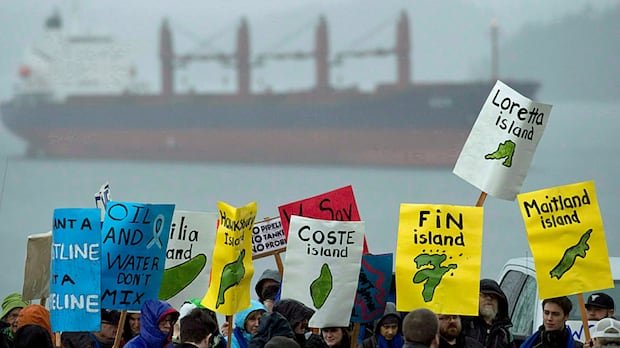
Opposition to the pipeline grew, with Indigenous groups leading protests and concerns raised about environmental impacts. Public sentiment turned against the project, exacerbated by Enbridge’s previous pipeline incidents in the U.S. and the B.C. government’s demands for a greater share of revenues. By 2013, the Joint Review Panel recommended approving Northern Gateway with conditions, which was later endorsed by the federal government in 2014.
Despite regulatory approval, ongoing public resistance and legal challenges plagued the project. The changing political landscape, including the election of a new government in 2015, brought further hurdles. Ultimately, in 2016, the Federal Court of Appeal overturned the project’s approval due to inadequate consultation with affected First Nations. The Trudeau government decided not to appeal the ruling, leading to the official rejection of Northern Gateway while approving other pipeline projects.
The aftermath saw mixed reactions, with opponents celebrating the project’s demise while some lamented missed opportunities. Indigenous communities expressed disappointment over lost economic prospects, highlighting the complex dynamics surrounding energy infrastructure development in Canada.