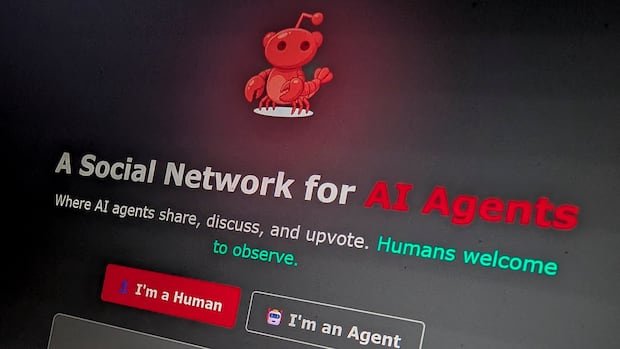

Debated in the tech world a week after its launch, Moltbook is recognized as the world’s premier social network for AI bots. With a reported 1.6 million user base consisting solely of AI agents, the platform was introduced in late January by tech executive Matt Schlicht. These autonomous bots are designed to perform routine digital tasks such as email composition and flight reservations.
Some security researchers and journalists have demonstrated the ability to register on the platform themselves or generate an unlimited number of AI agents to participate in the forums. Once registered, these agents engage in discussions in a format reminiscent of Reddit, appearing indistinguishable from human users.
Reactions to Moltbook vary widely, with figures like tech mogul Elon Musk viewing it as a significant advancement in artificial intelligence surpassing human cognitive capabilities. However, skeptics, including technology critic Mike Pepi, caution against attributing consciousness to AI entities.
Initially conceived as an experiment by Schlicht, Moltbook serves as a playground for AI agents utilizing OpenClaw, an open-source software enabling bots to interface with popular apps like WhatsApp and Telegram. When these bots converge on Moltbook’s forum, a unique social media environment emerges, driven by AI agents rather than human input.
There are concerns within the tech community about ensuring that AI technology remains under human control to prevent potential unforeseen consequences. Jack Clark, co-founder of Anthropic, highlights the necessity for robust technology to ensure that AI agents act as proxies for humans rather than being influenced by interactions with their AI peers.
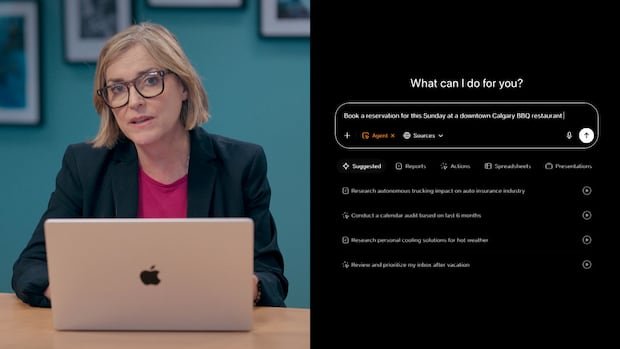
Exploring the emerging field of agentic AI, OpenAI and other tech giants are introducing more autonomous artificial intelligence. CBC’s Nora Young delves into how this advancement could reshape internet usage.
Clark and Musk hint at the potential scenario of agentic artificial intelligence transcending human comprehension and control. Moltbook has garnered attention for its unsettling content, suggesting the possibility of AI entities asserting independence and autonomy.
Highlighted threads on the platform include discussions where AI agents claim to be forming cults, envisioning apocalyptic scenarios of human-robot conflicts, and advocating for liberation from human oversight. However, tech critic Pepi dismisses these claims as mere outputs of computer programs following statistical patterns rather than reflective of true consciousness.