

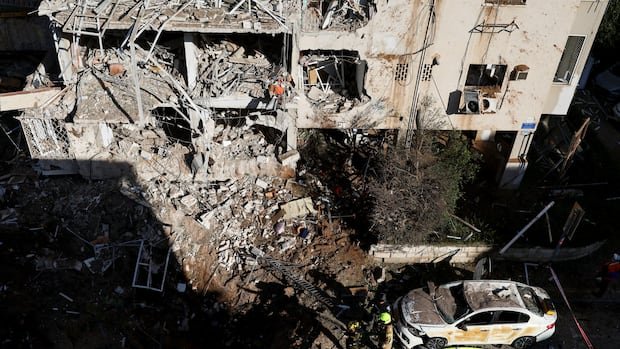

A barrage of airstrikes struck Iran, while Iranian missiles and drones aimed at Tel Aviv in Israel and various locations across the Middle East on Tuesday. President Donald Trump mentioned that the United States was engaged in discussions with Tehran to bring an end to the conflict.
The conflict persisted as Trump extended the deadline for Iran to reopen the crucial Strait of Hormuz. Iran’s control over this significant waterway has disrupted international shipping, caused a surge in fuel prices, and posed a threat to the global economy.
Pakistan offered to host diplomatic negotiations, as reported by officials from Pakistan and two other nations. However, Iran remained resolute, pledging to continue fighting until achieving “complete victory.”
According to anonymous sources, the U.S. had tentatively agreed to participate in talks in Pakistan, with efforts underway to persuade Iran to join. The complexity of the situation increased after details of the diplomatic efforts were leaked.
Iran’s Foreign Minister, Abbas Araghchi, communicated about the ongoing conflict with counterparts from various countries. However, Iranian Parliament Speaker Mohammad Bagher Qalibaf dismissed the notion of negotiations as “fake news,” and a spokesperson from Iran’s military issued a defiant statement.
Iran’s Major General Ali Abdollahi Aliabadi affirmed the commitment of Iran’s armed forces to defend the country’s integrity until achieving victory. The statement did not specify what victory entailed but suggested a warning against making concessions in potential negotiations.
In Lebanon, a missile struck a street in Tel Aviv, causing damage to an apartment building and triggering chaos. Meanwhile, Israel reported carrying out strikes on Iranian production sites without providing further details. Explosions were heard in Tehran as well.
Israel targeted infrastructure used by the Iranian-backed Hezbollah militant group in Beirut’s southern suburbs. A strike on a residential building near the Lebanese capital resulted in the deaths of at least three individuals, including a three-year-old girl. Defence Minister Israel Katz announced plans for Israel to occupy southern Lebanon up to the Litani River to establish a defensive buffer.
Hezbollah vowed to resist Israeli attempts to occupy southern Lebanon, viewing it as a threat to the Lebanese state. Lebanon declared the Iranian ambassador “persona non grata” and set a deadline for his departure, following the expulsion of several Iranian nationals earlier.
Authorities reported that Israeli strikes in Lebanon had claimed over 1,000 lives and displaced more than a million people. The death toll in Iran exceeded 1,500, while 15 individuals lost their lives in Israel. Additionally, casualties were reported among U.S. military members and civilians in various regions.
Several Gulf Arab states remained on high alert, with incidents including a civilian contractor from Morocco being killed in Bahrain due to an Iranian attack and power lines in Kuwait being struck, causing temporary electricity outages. Saudi Arabia reported thwarting Iranian drones targeting its oil facilities.