

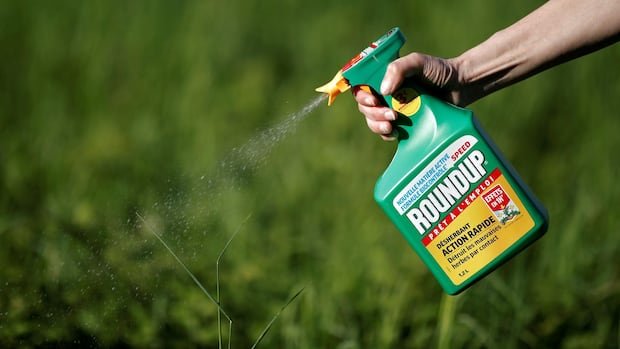

A First Nation in the northern part of British Columbia has announced a comprehensive ban on the use of herbicides within its territory, encompassing areas such as Prince George and the Robson Valley. The Lheidli T’enneh First Nation has taken this step in response to the detrimental effects herbicides, particularly glyphosate, have had on the environment and wildlife under their stewardship.
During a press conference on Tuesday, Lheidli T’enneh Elected Chief Dolleen Logan emphasized the message that there will be no more spraying within their territory, expressing hope that this ban sets a precedent for broader restrictions on spraying in British Columbia. The Nation expects all government and private industry workers operating in the region to comply with the ban.
While the ban is primarily aimed at curtailing the practice of extensive glyphosate spraying in forests, it is also intended to encourage private landowners to voluntarily cease using products that could harm the environment. The use of herbicides in forest management has faced increased scrutiny in British Columbia and across Canada due to concerns raised by environmentalists and researchers about its potential negative impacts.
Les Baker, an elder and land guardian of the Nation, highlighted how hunters and gatherers have become apprehensive about collecting food from the wilderness due to herbicide use. The Lheidli T’enneh First Nation’s traditional territories cover approximately 41,000 square kilometers, extending from the Rocky Mountains near Valemount through the Interior Plateau to Prince George, without having been relinquished through treaty or other methods.
In response to the ban, the City of Prince George stated that it uses herbicides sparingly, mainly to address trees affecting critical city infrastructure like sewer lines. While the city has not engaged directly with the Lheidli T’enneh regarding the ban, officials indicated a willingness to collaborate and explore alternative solutions.
The B.C. NDP government has pledged to phase out glyphosate use, with the Ministry of Forests already reducing spraying activities year by year. Health Canada’s 2017 assessment affirmed that when glyphosate-containing products are used according to label instructions, they do not pose harmful risks to Canadians.
Research from the University of Northern British Columbia has highlighted the need for further investigation into glyphosate’s long-term impact on wildlife and the environment. The GROW project, involving researchers like Nicole Botten and Lisa Wood, is conducting extensive studies on how glyphosate affects various organisms.
While acknowledging the ongoing need for research, Baker emphasized the importance of halting glyphosate use until its full impact is understood. The ban signals a proactive approach to safeguarding the environment and the well-being of community members.