

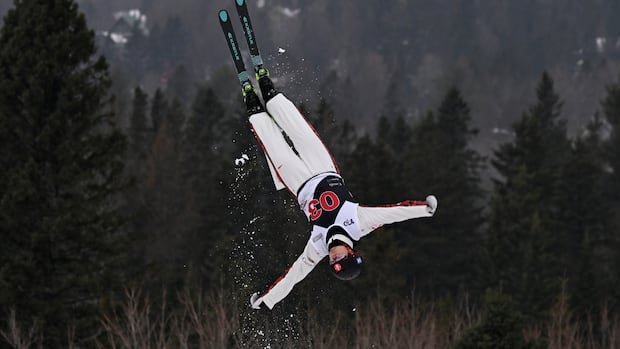

In the second part of a series exploring the impact of climate change on winter sports, Marion Thénault, a freestyle skier, reflects on how the changing environment has affected her career. Over the past seven years, Thénault has witnessed both the beauty of snowy slopes essential for her aerial stunts and the unsettling consequences of climate change on winter sports.
Attending World Cup events where natural greenery competed with artificial snow for space, Thénault expressed discomfort with the surreal setting. Climate change not only alters the visual landscape but also affects performance. Melting snow can disrupt an aerial skier’s technique, requiring precise adjustments mid-air to ensure a safe landing.
A 2024 study from the International Olympic Committee highlighted the diminishing number of suitable locations for hosting the Winter Games due to climate change. This existential threat is not a distant concern for athletes like Thénault, who depend on natural elements for their livelihood and are witnessing the immediate impact of environmental shifts.
Taking action, Thénault aims to make her journey to the upcoming Olympics carbon neutral by collaborating with experts to assess her carbon footprint. Joining forces with climate advocacy groups, like Protect Our Winters, she advocates for urgent measures to combat climate change, emphasizing the need to prioritize environmental sustainability in sports and beyond.
Proposals for addressing climate challenges in winter sports include rotating the Winter Olympics among a limited number of permanent venues to reduce environmental impact. While athletes push for bolder climate action within the International Olympic Committee, the new leadership is urged to prioritize sustainability and uphold commitments to mitigate carbon emissions.
Athletes, including Secretary of Sport Adam van Koeverden, are calling for decisive leadership to safeguard both the future of sports and global communities. Van Koeverden emphasizes the direct link between climate change and various aspects of society, stressing the immediate need for collective action to combat this pressing issue.
Thénault echoes the urgency of prioritizing environmental action, emphasizing that addressing climate change should not be deferred until other issues are resolved. With athletes raising their voices and advocating for sustainable practices, the call for swift and effective climate action in sports and policymaking grows louder.