

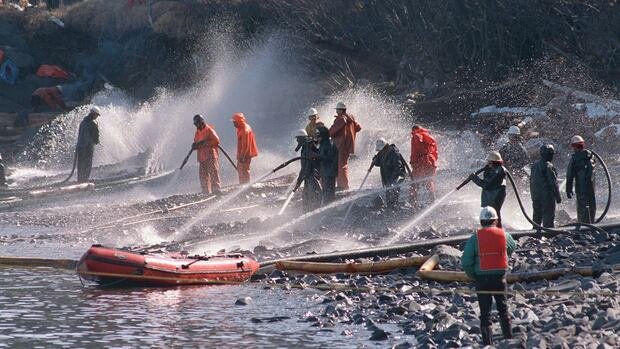

The aftermath of the Exxon Valdez disaster, which occurred over 36 years ago near Alaska’s coast, continues to cast a shadow over the proposed pipeline project from Alberta to the northern British Columbia coast. Rick Steiner, a former academic who was present at the scene of the Exxon Valdez incident and has extensively researched its consequences, warns that the risk of a similar disaster persists along the British Columbia coast despite industry assurances.
Incidents like the Exxon Valdez spill and the more recent 2016 diesel spill from the Nathan E. Stewart tugboat sinking have been cited by First Nations and environmental groups opposing the potential lifting of the tanker traffic ban for servicing a prospective northern pipeline. These concerns were further fueled by the recent grounding of a container barge near Bella Bella, B.C.
Steiner emphasizes the invaluable lessons learned from the Exxon Valdez spill, highlighting that completely preventing spills is unattainable. He stresses that risking a repeat disaster is not justifiable. The 1989 Exxon Valdez incident saw a massive crude oil spill in Prince William Sound, with differing estimates of the amount spilled.
Images of oil-coated seabirds and devastated coastlines have become synonymous with major oil spills, symbolizing the long-lasting ecological damage they inflict. Steiner underscores that the ecological impact of such disasters is often irreversible, as seen in Prince William Sound.
Despite advancements in safety measures post-Exxon Valdez, Steiner cautions against complacency, noting that the risk of another catastrophic spill remains. He strongly opposes the construction of a pipeline from Alberta to the northern coast, arguing that the associated risks far outweigh any potential benefits.
While the Canadian government signed a memorandum of understanding for the northern pipeline project, significant challenges lie ahead, including securing substantial investments for pipeline construction. Coastal First Nations adamantly oppose the project, citing the non-negotiable nature of the tanker ban and its crucial role in protecting local economies.
Steiner, aligning with the concerns of First Nations, emphasizes the paramount importance of maintaining the tanker ban on the north coast to safeguard sustainable economies. He warns against jeopardizing the socio-economic well-being of communities in British Columbia and Alaska by allowing the proposed pipeline project to proceed.
The legacy of the Exxon Valdez disaster continues to influence discussions surrounding new pipeline projects, with visuals from the 1989 spill playing a pivotal role in shaping public perception. The emotional impact of environmental devastation, depicted through images of wildlife covered in oil, resonates strongly in debates over pipeline proposals.
While technical aspects like increased greenhouse gas emissions are crucial, societal perceptions influenced by historical disasters like Exxon Valdez hold significant weight in the ongoing debate over the proposed northern pipeline. First Nations’ rights and environmental concerns are expected to play crucial roles in shaping the discourse around the project, with past environmental disasters serving as cautionary tales against hasty decisions.