

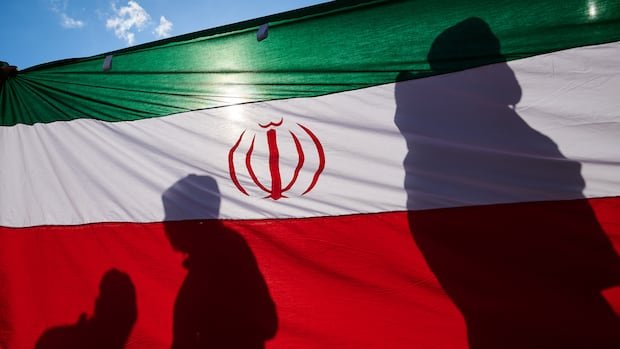

Amid the ongoing U.S.-Israel conflict with Iran, concerns have risen about the potential activation of hidden operatives by Tehran to carry out terrorist activities globally. Ontario Premier Doug Ford expressed apprehension during a press briefing on March 10, mentioning the presence of dormant cells worldwide, including in the U.S. and Canada.
Reports from U.S. media indicated that American authorities intercepted encrypted communications suspected to originate from Iran, serving as potential triggers to activate undisclosed “sleeper assets.” Following the conflict’s initiation, Qatari officials announced the apprehension of ten individuals allegedly linked to Iranian Revolutionary Guard Corps (IRGC) sleeper cells tasked with surveilling strategic sites in the Gulf region.
While the concept of Iranian sleeper cells garners attention during escalated U.S.-Iran tensions, experts suggest that the perceived threat may be exaggerated. Dan Stanton, a former Canadian Security Intelligence Service (CSIS) member, highlighted that Iran primarily employs local criminal networks for targeted intimidation and violence, rather than deep-cover agents or sleeper cells.
Critics and activists critical of the Iranian regime, such as Irwin Cotler, a former Canadian justice minister, have faced targeted campaigns or assassination plots. Authorities have thwarted several attempts, including a foiled plot against Cotler by Iranian agents. In response to these threats, CSIS collaborates with domestic and foreign partners to counter potential lethal risks to individuals within Canada.
The risk of lone wolf attacks with diverse motives is emphasized by intelligence experts over the involvement of deep-cover Iranian operatives in Canada. Amid recent violent incidents in the U.S., like the synagogue attack in Michigan and the shooting in Austin, Texas, the focus remains on individual actors potentially inspired by conflicts in the Middle East.
Concerns regarding sensationalization of threats related to the conflict and sleeper cells have been raised by experts amidst a deluge of misinformation online. While acknowledging legitimate security risks, caution is advised to prevent fearmongering and misinformation, which could escalate tensions further.
Canada’s strategic advantages, including membership in the Five Eyes intelligence-sharing network, are viewed as key in preemptively identifying threats. The nation’s historical bipartisan stance on avoiding unnecessary conflicts is seen as a shield against potential retaliatory actions from Iran. CSIS has heightened efforts to address potential Iranian state-directed and violent extremist activities to safeguard Canada and its citizens.
Despite the debate over the existence of Iranian sleeper cells in Canada, the regime’s efforts to target and intimidate Iranian Canadians are recognized. The perceived possibility of surveillance and repression among the diaspora instills fear, highlighting the mechanism of transnational repression employed by the Iranian regime.