

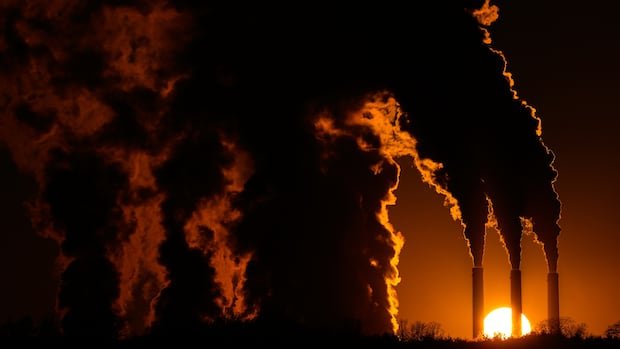

The Environmental Protection Agency (EPA) under the Trump administration has revoked a crucial legal foundation known as the endangerment finding, which has been pivotal in guiding emissions regulations in the U.S. since the Obama era. This finding, established in 2009 in response to a Supreme Court ruling on the harmful effects of greenhouse gases, has shaped how the EPA and other agencies oversee greenhouse gas emissions across various sectors.
President Donald Trump criticized the endangerment finding during its repeal announcement at the White House, attributing damage to the fossil fuel industry. EPA Administrator Lee Zeldin hailed the repeal as a significant deregulatory action in U.S. history. In contrast, environmental groups and California Governor Gavin Newsom strongly condemned the decision, highlighting potential adverse impacts such as wildfires, extreme heat deaths, and climate-related disasters.
The move aligns with the Trump administration’s pro-fossil fuel agenda, aiming to support the industry, increase oil and gas exports, and reduce energy costs for consumers. This decision follows Trump’s directive to review the legality of the endangerment finding to eliminate what he views as overly restrictive energy regulations, particularly affecting fossil fuels.
Experts note that the repeal of the endangerment finding could have far-reaching implications on emissions regulations, particularly affecting power plants, methane emissions, and vehicle emission standards. This action may impede progress in transitioning to cleaner energy sources and addressing climate change challenges.
Environmental organizations, including the Natural Resources Defense Council, plan to challenge the decision in court. If the case reaches the Supreme Court, it may face heightened scrutiny due to the current composition of the bench. The move could also impact Canada-U.S. relations on vehicle standards, with potential divergences in clean energy policies.
Despite setbacks in the U.S., Canada recently announced new vehicle emissions standards, signaling a departure from aligning with U.S. policies. Experts emphasize the importance of maintaining efforts to combat climate change and transitioning to cleaner energy technologies to stay competitive globally.