

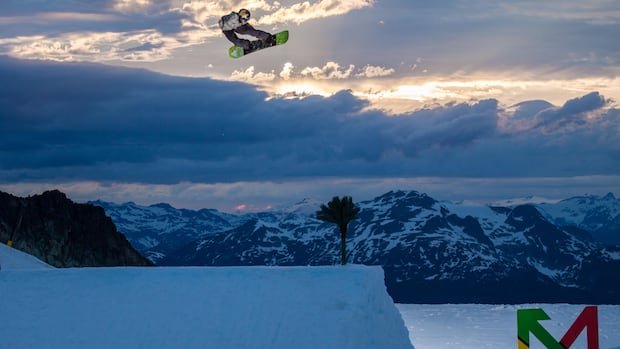

In the first installment of a two-part series, the impact of climate change on winter sports is explored. Whistler Blackcomb’s Horstman Glacier has been a summer training ground for young skiers and snowboarders alongside top Canadian athletes for over twenty years. Momentum Camps, where Olympic aspirations took flight and sports passion blossomed, has nurtured champions like Mikaël Kingsbury, Alex Bilodeau, Cassie Sharpe, and Jennifer Heil.
Founder John Smart aimed to not only create champions but also instill healthy lifestyles in young athletes through mentorship. However, the rapid melting of the glacier led to the cessation of summer skiing and snowboarding in 2024 due to safety concerns, leaving elite athletes without a local summer training venue.
The demise of summer skiing highlights the existential threat facing winter sports amid a warming planet. A 2024 study by the International Olympic Committee revealed a diminishing number of suitable locations for hosting Winter Olympic Games due to climate change.
The ski and snowboard community is witnessing increased event cancellations and safety concerns, prompting discussions on a global scale, including at the UN Climate Conference, COP30. Efforts to revive summer skiing on Whistler Mountain are in progress, with potential solutions like moving snowmaking operations higher up the glacier being considered.
The financial burden of relocating training due to the loss of summer skiing is significant, emphasizing the need for sustainable, long-term solutions. Collaboration between stakeholders, including Vail Resorts and partners, is crucial to reestablishing summer skiing while balancing environmental impacts.
Addressing the carbon footprint associated with creating snow for winter sports poses additional challenges. Balancing the preservation of winter sports traditions with environmental consciousness is a delicate task requiring innovative solutions and collective action.
Securing the future of winter sports in Canada, including hosting key events at Whistler Blackcomb, remains a priority for officials and industry leaders. Initiatives like Protect Our Winters underscore the dual responsibility of mitigating climate impacts while ensuring the sustainability of beloved winter activities.