

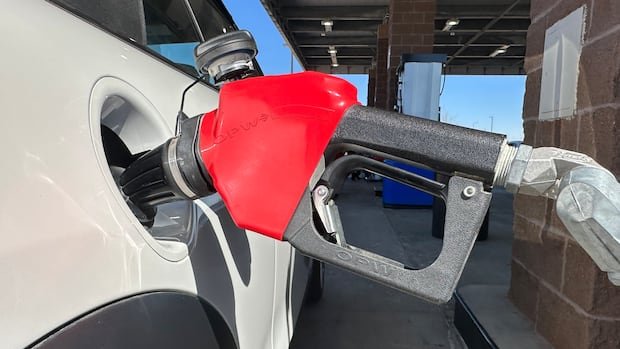

Gasoline prices inch closer to $2 per litre while diesel hovers around $2.50, spelling trouble for Canadian motorists amidst the ongoing global energy crisis exacerbated by the Iran conflict. The situation is exacerbated by the ongoing disruptions in the Strait of Hormuz, which have cut off approximately 20% of the world’s oil and natural gas supply from international markets.
Countries worldwide are grappling with the fallout. Measures such as remote work mandates, shortened workweeks, and university closures have been implemented to conserve fuel. The Philippines has declared a national energy state of emergency due to doubled local fuel prices and dwindling oil reserves.
Despite the financial strain and looming inflationary pressures for Canadians due to surging living costs, the nation is relatively shielded from the worst effects of the energy crisis, thanks to its significant energy production capacity. Canada’s ample energy resources have placed it in a more favorable position compared to other nations facing severe price hikes and shortages.
Experts suggest that while Canada may not face fuel shortages due to its abundant oil resources, it remains susceptible to global market forces driving up prices. The impact of the crisis is predominantly felt at the gas pumps, with substantial increases in gasoline, diesel, and furnace oil costs observed since the onset of the Middle East conflict.
While Canada is the world’s fourth-largest oil producer, its reliance on oil exports has spared it from fuel shortages. However, the country’s fuel prices are closely tied to global market dynamics, leading to the current price surge. Natural gas prices have remained stable in Canada due to the market’s slower pace and limited export facilities, contrasting with the significant price spikes seen in Europe.
Countries heavily reliant on fuel imports are eyeing nations like Canada with envy, given their surplus energy resources and diversified energy mix. At a recent energy summit in Texas, India’s Cairn Oil & Gas sought partnerships to boost India’s oil production capabilities to enhance energy security. The importance of countries achieving at least half of their oil production needs domestically was underscored.
As the global energy crisis persists, with no immediate resolution in sight to the ongoing conflicts, Canada finds itself grappling with escalating fuel prices while ensuring a steady fuel supply. The relentless energy crisis is likely to deepen both globally and within Canada until a sustainable solution is reached.